African Ikat Paisley Pattern: A Bold Blend of Tradition and Style
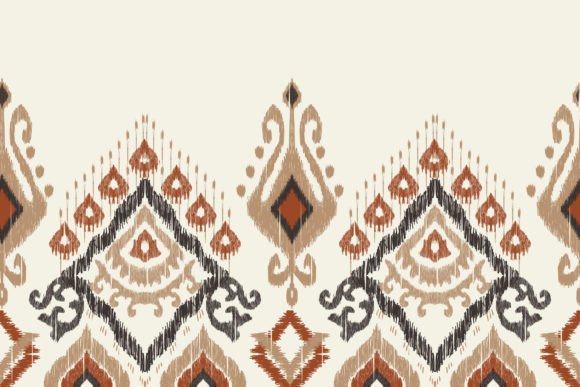
The African Ikat Paisley Pattern is a stunning fusion of two rich textile traditions—African ikat weaving and the intricate, curvilinear designs of the paisley motif. This pattern brings together vibrant colors, geometric precision, and artistic flair to create a unique aesthetic that resonates with both cultural heritage and modern design sensibilities. Whether you're an interior designer, fashion enthusiast, or a creative professional, this pattern offers endless possibilities for expression.
Understanding the African Ikat and Paisley Roots
Ikat is a traditional dyeing and weaving technique used in many cultures around the world, including Africa, India, Indonesia, and Central Asia. The process involves resist-dyeing the yarn before it’s woven, creating blurred and overlapping patterns that are rich in symbolism and history. In Africa, ikat is particularly prominent among the Wovenstrip, Tutsi, and other ethnic groups who use it to craft textiles with deep cultural meaning.
Paisley, on the other hand, originates from ancient Persia and was later popularized by Indian artisans during the Mughal era. Known for its teardrop-shaped motifs and floral elements, paisley has long been associated with elegance and sophistication. When these two styles intersect in the form of the African Ikat Paisley Pattern, the result is a visually striking design that honors tradition while embracing contemporary creativity.
Key Characteristics of the African Ikat Paisley Pattern
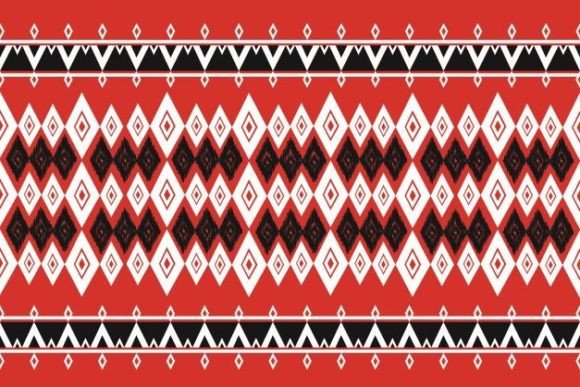
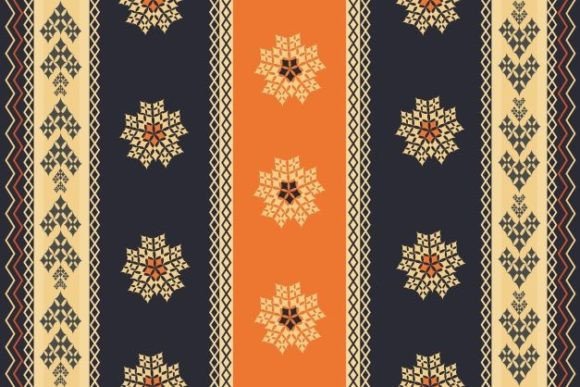
- Colorful and Contrasting: The pattern often features bold color combinations such as brown floral accents against bright orange backgrounds, offering a dynamic visual appeal.
- Geometric Ethnic Elements: The interplay between the flowing paisley shapes and the structured ikat lines creates a balance of movement and stability.
- Cultural Symbolism: Each element can carry symbolic weight, making the pattern not just decorative but also meaningful.
- Seamless Weaving: Designed for seamless integration across surfaces, this pattern works well for large-scale applications like wall art, rugs, and fabric repeats.
Applications Across Creative Industries
The versatility of the African Ikat Paisley Pattern makes it ideal for a wide range of uses. From fashion to home décor, it adds a touch of exotic elegance and storytelling through design.
Fashion and Apparel
In the realm of fashion women, this pattern shines as a standout feature in garments like sarees, shawls, and scarves. Its blend of geometric ethnic shapes and fluid paisley motifs allows for both statement pieces and subtle accents. Designers often incorporate it into handicraft collections, especially those inspired by Thai handcraft or Indian cloth, to highlight the craftsmanship behind each piece.
Home Décor and Textiles
When it comes to home décor, the African Ikat Paisley Pattern is a powerful tool. It’s frequently used in cushion covers, mats, and modern rugs where its retro charm meets current trends. The border elements of the pattern add depth to designs, making them suitable for wallpaper, curtains, and even knitted yarn projects.
Commercial and Digital Uses
For professionals in marketing, branding, or publishing, this pattern can serve as a unique visual identifier. Its decorative nature makes it perfect for packaging, promotional materials, or website banners. As a textile graphics file (often available in high-resolution formats like JPG 6000x4000 pixel or EPS vector), it can be scaled effortlessly for print and digital media alike.
Designing with the African Ikat Paisley Pattern
If you’re considering using this pattern in your next project, here are some practical tips and considerations to keep in mind:
Choosing the Right Color Palette
While the pattern is inherently vibrant, selecting a harmonious color scheme can enhance its impact. Consider using earthy tones for a more grounded look or opting for brighter hues to make a bolder statement. The orange flower variations work beautifully in both warm and cool settings.
Matching with Other Textures and Patterns
This pattern pairs well with textures like linen, cotton, or wool, especially when working with handicraft items. For digital applications, combining it with watercolor or ink on cloth effects can create a layered, organic feel. Avoid overcomplicating the design—let the pattern speak for itself with minimal background elements.
Creating Custom Embroidery or Prints
Many artists and designers choose to adapt the pattern into ikat embroidery or motif embroidery for bespoke creations. These adaptations allow for personalization while maintaining the essence of the original style. Tools like ikat vector files enable precise customization for logos, labels, or branded content.
Real-World Examples and Use Cases
Here are a few scenarios where the African Ikat Paisley Pattern adds value:
- Ethnic Fashion Lines: Brands specializing in indian cloth or patola sari designs have successfully integrated this pattern into their collections, appealing to customers seeking authenticity and global flair.
- Interior Design Projects: Interior decorators use it in mat print wall coverings or seamless pattern textiles for sofas and cushions to infuse rooms with cultural richness and visual interest.
- Event Branding: Weddings, cultural festivals, or artisan fairs benefit from incorporating this pattern into signage, table linens, or invitations, creating a cohesive and memorable theme.
- Graphic Design Work: With its high resolution and scalable format, the pattern is ideal for designing vintage posters, social media assets, or e-commerce product listings.
Why This Pattern Matters Today
In a world increasingly focused on sustainability and cultural appreciation, the African Ikat Paisley Pattern stands out as a symbol of heritage and innovation. Its presence in mexican pattern revival trends or alongside arabesque motifs shows how global design influences continue to evolve and intertwine.
Using this pattern in your work can help communicate values like diversity, craftsmanship, and timeless beauty. It's a great way to stand out in a crowded market while staying rooted in tradition.
Practical Benefits for Different Users
- Entrepreneurs: Incorporate the pattern into product lines to attract attention and differentiate your brand in the handicraft or textile graphics space.
- Marketers: Use it in campaigns targeting culturally aware consumers or those interested in ethnic fashion and retro aesthetics.
- Artists & Creators: Experiment with weaving loom techniques or digital tools like line ornament drawing to reinterpret the pattern for new contexts.
- Bloggers & Publishers: Feature it in articles or magazines about global textiles, ancient egypt art, or native american design influences to engage niche audiences.
Implementation Tips and Best Practices
To ensure the best results when implementing the African Ikat Paisley Pattern, consider the following:
- High-Resolution Files: Always use 6000x4000 pixel JPG or EPS vector files to maintain clarity in both print and digital formats.
- Test on Fabric: Before mass production, test the pattern on different types of fabric to see how it reacts to dyes, prints, or weaves. Some versions may be better suited for striped or chevron ikat treatments.
- Balance Scale and Detail: While the pattern is rich in detail, avoid overcrowding the design. Let the geometry shapes and elegant lines guide the composition.
- Respect Cultural Context: Educate yourself about the origins and meanings behind the pattern to use it respectfully and authentically in your work.
Where to Find and How to Use the Pattern
You can find African Ikat Paisley Pattern designs in various forms online—from digital asset platforms to local artisan markets. Look for terms like seamless pattern, weave, or embroidery motif to locate relevant resources. Many downloadable files include both standard and transparent backgrounds, allowing for flexible use in different contexts.
Once acquired, the pattern can be applied using graphic design software like Adobe Illustrator or Photoshop. Its vector-based nature ensures crisp edges and scalability, which is essential for professional-grade outputs. For physical products, partner with ethical manufacturers who specialize in handicraft or textile graphics to bring your vision to life responsibly.
Conclusion
The African Ikat Paisley Pattern is more than just a design—it's a bridge between cultures, a celebration of artistry, and a versatile tool for modern creators. Whether you're looking to elevate your interior design, launch a handicraft line, or simply add a touch of elegance to your surroundings, this pattern offers a compelling mix of history and innovation. By understanding its roots and applying it thoughtfully, you can harness its full potential to inspire and engage your audience in meaningful ways.