Animal Coloring Pages for Adult KDP: Creating High-Quality Interiors That Sell
The market for digital downloads and self-published books on Amazon KDP (Kindle Direct Publishing) has exploded, offering creators a unique opportunity to generate passive income. Among the most popular niches is Animal Coloring Pages for Adult KDP. While the concept seems simple—providing line art for users to color—the reality of producing a professional, best-selling interior is far more complex. Many beginners upload low-effort content only to see their listings fail or receive poor reviews due to technical errors. This guide breaks down what makes a successful animal coloring book, specifically focusing on high-quality assets like a powerful monkey in a tree, and how to avoid common pitfalls that ruin user experience.
Understanding the Product: More Than Just Line Art
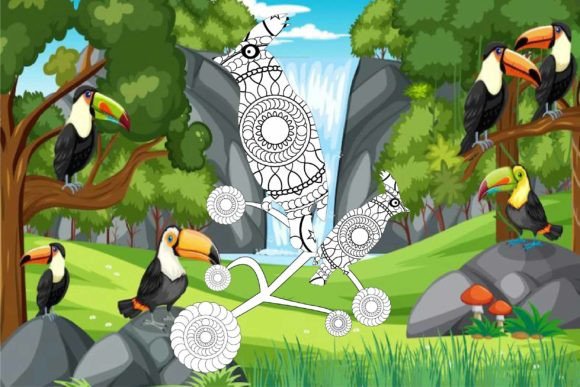
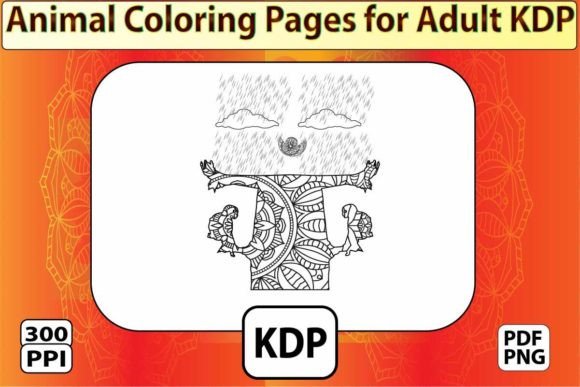
When we talk about Animal Coloring Pages for Adult KDP, we are referring to digital files designed specifically for print-on-demand services. These are not merely sketches; they are carefully crafted illustrations intended to provide a relaxing, stress-relieving experience for adults. A standout example is a design featuring a monkey sitting in a tree. This subject matter is natural, powerful, and visually engaging, making it perfect for kdp interior designs. However, the success of such a design depends entirely on execution.
Many sellers mistakenly believe that any black-and-white image will suffice. In reality, buyers are looking for specific qualities:
- Clean Line Art: Lines must be crisp, with no stray pixels or gray smudges.
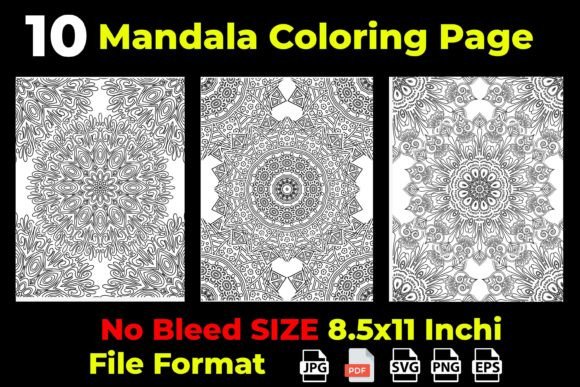
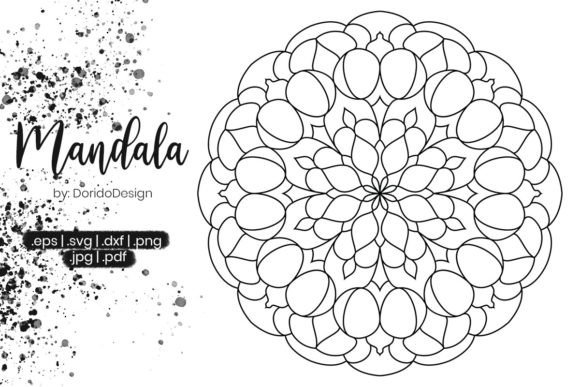
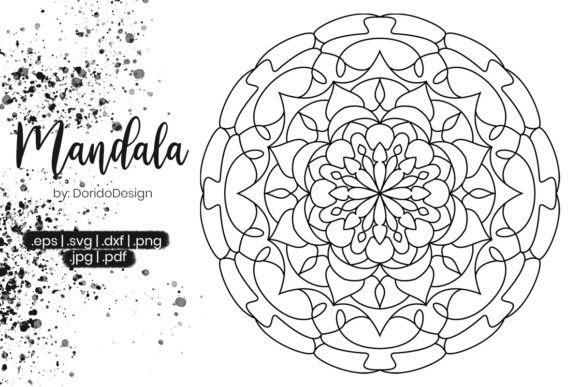
- Appropriate Complexity: The level of detail should match the target audience. Adults often prefer intricate patterns (zentangle or mandala styles) mixed with organic elements like animals.
- Single-Sided Printing: To prevent bleed-through, high-quality books place each image on its own page, leaving the back blank.
Common Mistakes in KDP Interior Design
Even experienced designers can fall into traps when preparing files for KDP. Understanding these errors is crucial for maintaining your reputation and ensuring customer satisfaction.
Ignoring Resolution and File Formats
One of the most critical technical aspects is resolution. A common mistake is using images saved at 72 dpi, which is standard for web use but disastrous for printing. When printed, low-resolution images appear pixelated and blurry, leading to immediate returns and negative feedback. For KDP interiors, you must ensure every file is high-resolution at 300 dpi. Additionally, while PNG files are excellent for transparency, PDF is the preferred format for final book assembly because it preserves vector quality and layout integrity. Ensure your zip archive includes both formats for versatility, but prioritize the PDF for the final upload.
Incorrect Page Dimensions
KDP has strict size requirements. If your design does not fit well on standard 8”x11” paper, the margins may be cut off, or the image may appear uncomfortably small. Before creating or uploading any asset, verify the trim size. A design that looks great on a screen might look cramped or lose detail when scaled to physical dimensions. Always test your pages by printing a single sheet locally before committing to a full run.
Overlooking Bleed Settings
Bleed refers to the area of the image that extends beyond the trim edge. If your animal illustration touches the edge of the page, you must include a bleed margin (usually 0.125 inches). Failing to do so results in thin white lines appearing along the edges of the printed book, which looks unprofessional. Conversely, adding unnecessary bleed to an image that doesn’t extend to the edge wastes space and can cause alignment issues during printing.
Evaluating Quality: What to Look For
Whether you are buying assets to compile into a book or selling your own creations, evaluating quality requires a keen eye. Here is what separates amateur work from professional-grade Adult Coloring Book pages.
Line Weight and Consistency
Poorly drawn lines can make a coloring page frustrating to use. Thick, uneven lines can overwhelm the page, while extremely thin lines may disappear after printing. Look for consistent line weights that define shapes clearly without being heavy-handed. Hand-drawn aesthetics are popular, but they must still adhere to technical precision. Check for "closed" paths in vector files to ensure colors stay within boundaries.
Complexity and Variety
A collection of twenty identical monkey illustrations will not satisfy adult colorists. Successful books offer variety. Mix close-up portraits with full-body scenes. Incorporate different environments—jungles, savannas, or abstract backgrounds. The mention of "ornamental," "ornate," and "decorative" elements in product descriptions highlights this need. Combining a realistic monkey with zentangle-style foliage adds depth and allows colorists to experiment with textures and gradients.
Technical Integrity of Digital Assets
If you are downloading a zip archive, inspect the contents. Does it contain clean PNGs? Is the PDF properly formatted? Are there hidden layers or metadata that could interfere with printing? High-quality providers will deliver ready-to-print files that require minimal adjustment. Avoid sources that require extensive editing, as this increases the risk of errors.
Best Practices for Implementation
To maximize the potential of your Animal Coloring Pages for Adult KDP, follow these practical steps.
- Start with High-Res Sources: Never upscale a low-resolution image. Start with vectors or high-dpi rasters. If you are creating original art, draw at 300 dpi from the beginning.
- Test Print Regularly: Your monitor is not a printer. Colors and contrast change significantly in print. Print a sample page frequently to check for clarity, ink density, and margin accuracy.
- Optimize for Black Ink: Ensure your line art uses pure black (#000000) for maximum contrast. Grays can sometimes print poorly depending on the printer driver, resulting in faint lines.
- Consider Paper Quality: Advise your readers (if selling tips) or choose appropriate paper options if you are the publisher. Standard KDP cream or white paper works well, but thicker paper reduces bleed-through, enhancing the user experience.
Conclusion
Creating or selecting Animal Coloring Pages for Adult KDP is a rewarding venture that blends creativity with technical skill. By avoiding common mistakes related to resolution, sizing, and design complexity, you can produce interiors that are not only visually impressive but also functional and enjoyable. Remember, the goal is to provide a relaxing world for the colorist. Every page you color should pull you into that serene state, free from the frustration of pixelation or poor layout. Take the time to evaluate your assets, respect the technical requirements of KDP, and focus on delivering value through high-quality, hand-drawn line art. Whether you are a beginner or a seasoned entrepreneur, attention to detail is the key to success in the competitive world of adult coloring books.