Black White Wood Texture Background
In the realm of digital design, visual hierarchy and tactile authenticity are paramount. Whether you are crafting a minimalist website interface, designing a rustic branding package, or preparing high-resolution print materials, the choice of background texture can make or break the overall aesthetic. Among the most versatile and enduring textures is the black white wood texture background. This specific style bridges the gap between organic warmth and modern minimalism, offering designers a sophisticated canvas that works across a wide spectrum of creative projects.
For professionals seeking practical solutions to enhance their visual communications, understanding how to leverage these textures is essential. This guide explores the nuances of black and white wood backgrounds, from dark grunge surfaces to bright, painted rustic finishes, helping you select the right material for your next project.
The Power of Monochrome in Wood Textures
Wood is naturally associated with earth tones—browns, tans, and ambers. However, stripping these colors away to reveal the raw grain in black and white creates a striking contrast that commands attention. A black white wood texture background removes the distraction of color, allowing the viewer to focus on the structure, pattern, and depth of the material. This approach is particularly effective in:
- Minimalist Design: Where negative space is key, a subtle wood grain adds texture without overwhelming the layout.
- High-Contrast Imagery: Using a dark wood backdrop makes light-colored subjects pop, while a white wood surface provides a clean, airy feel.
- Typography Integration: Text placed over a monochrome wood texture often retains readability better than over busy, colorful patterns.
By utilizing a digital wooden background in grayscale, designers gain control over mood. A dark wood background can evoke feelings of luxury, mystery, or stability, whereas a white wood background suggests cleanliness, modernity, and simplicity.
Navigating Different Wood Styles and Challenges
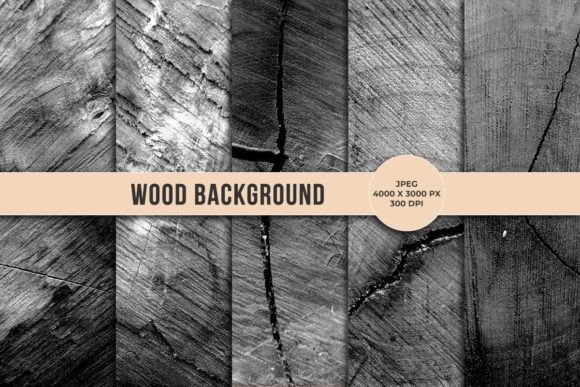
Not all wood textures serve the same purpose. When selecting a background, you must consider the specific character of the wood. For instance, an old grunge dark textured wooden background brings a sense of history and ruggedness. It features deep cracks, knots, and weathered surfaces that tell a story. This type of texture is ideal for themes involving heritage, craftsmanship, or industrial aesthetics.
Conversely, a real redwood padouk wood texture offers rich, vibrant hues that might be too warm for a strict black-and-white scheme but excellent for adding natural vibrancy. If your goal is a cleaner look, you might opt for a painted rustic wood texture or a distressed wood grain that has been whitewashed. These styles retain the structural integrity of the wood—the planks, the boards, the grain lines—but soften the visual impact through paint or bleaching.
A common challenge designers face is ensuring that the texture does not compete with the foreground content. A rough texture or wrinkles in the wood can create visual noise. To address this, many professionals use seamless digital paper background files that allow for easy scaling and masking. By adjusting the opacity or applying a blur filter, you can soften the wood pattern enough to support text rather than distract from it.
Practical Applications and Outcomes
Understanding where to apply these textures transforms them from simple images into powerful design tools. Here are several practical scenarios where a wood texture adds significant value:
Web Design and User Interfaces
In web development, a wood background can be used for hero sections or footer areas to ground the page. A white wood digital paper can serve as a subtle overlay behind blog posts, giving the reading experience a more editorial, magazine-like quality. For e-commerce sites selling artisanal goods, a rugged woodgrain background reinforces the idea of handmade, durable products.
Print Media and Packaging
When designing packaging for premium items, such as whiskey, chocolate, or hardware, texture communicates quality. A dark wood texture background surface with old natural pattern suggests age-old traditions and superior craftsmanship. High-resolution files, such as those at 4000 x 3000 px -300 DPI, ensure that when printed, the wooden texture remains crisp and detailed, avoiding pixelation that could undermine the product's perceived value.
Social Media and Digital Marketing
Social media platforms favor visually engaging content. A silhouette against a grungy, grunge wood backdrop creates immediate dramatic effect. Similarly, using a vintage scrapbook paper style wood texture can enhance nostalgic campaigns or personal brand storytelling. The versatility of wood paper allows marketers to switch between moody, dark aesthetics and bright, cheerful ones simply by changing the tonal range of the background.
Selecting the Right Material for Your Project
To choose the best wood texture for your needs, consider the following factors:
- Mood and Tone: Do you want to convey strength and darkness (choose a pine wood or hardwood in shadow) or lightness and airiness (choose a white wood or blonde timber)?
- Resolution Requirements: Always verify the file specifications. A JPEG File –4000 x 3000 px -300 DPI is suitable for large format printing, while lower resolutions may suffice for screen-only designs.
- Seamlessness: For backgrounds that need to tile, ensure you are using a seamless backdrop. This prevents visible edges when the texture repeats across a wide screen or large poster.
- Texture Intensity: Decide if you need a constructive element that defines space (like a wooden floor or table perspective) or an abstract element that merely adds surface detail.
Implementation Tips for Designers
Once you have selected your wooden texture, proper implementation ensures professional results. Use layer blending modes in your design software. Overlaying a wood pattern set to "Multiply" or "Overlay" can integrate the texture seamlessly into existing color palettes. For a rustic wood digital paper look, consider combining it with other natural elements like stone or metal to create a cohesive environmental feel.
Additionally, pay attention to the curve and flow of the wood grain. In nature, wood grain rarely moves in straight lines; it follows the growth of the tree. Using textures that mimic these organic curves adds realism. Avoid overly geometric or artificial-looking grains, which can detract from the authentic appeal of the design.
Conclusion
The black white wood texture background is more than just a decorative element; it is a fundamental tool in the designer’s arsenal. By mastering the use of these textures—from old grunge surfaces to clean white wood finishes—you can elevate your projects from ordinary to extraordinary. Whether you are working on a collage paper project, designing a new furniture catalog, or creating a dynamic wallpaper for a tech startup, the right wood texture provides the depth, character, and professionalism needed to engage your audience. Explore the variety of available options, test different tonal ranges, and let the natural beauty of wood inform your creative vision.