Mono Tribal Pattern6: A Unique Design for Decor and Gifting
When it comes to decorative patterns, Mono Tribal Pattern6 stands out with its elegant simplicity and cultural resonance. This design combines the timeless appeal of tribal motifs with a monochrome aesthetic, making it both versatile and visually striking. Whether you're looking to enhance your home decor or create meaningful gifts and souvenirs for festivals, this pattern offers a compelling option that blends tradition with modernity.
What Is Mono Tribal Pattern6?
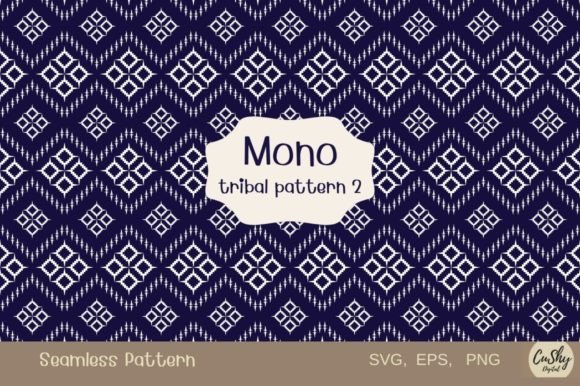
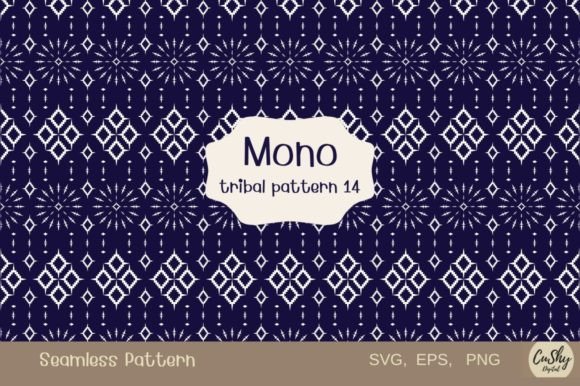
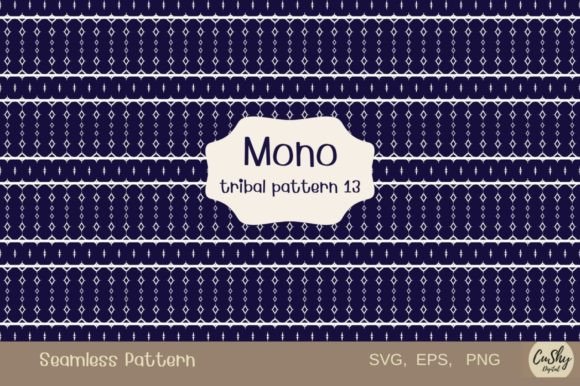
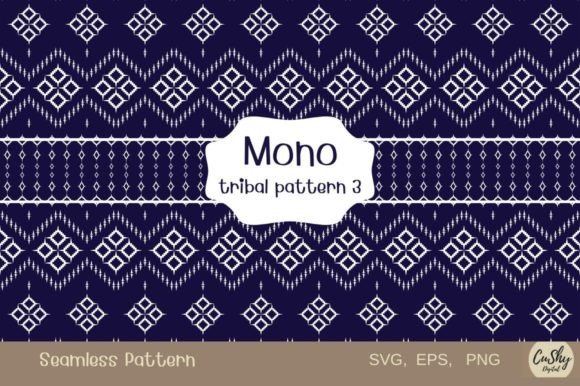
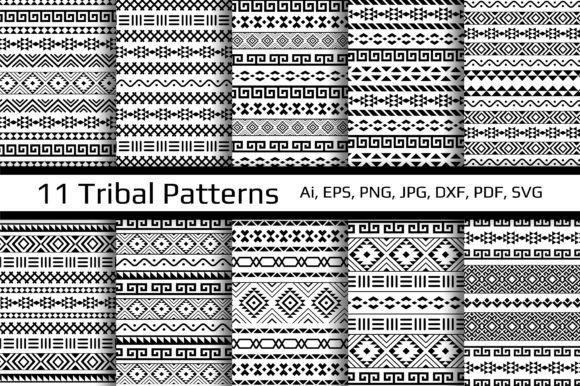
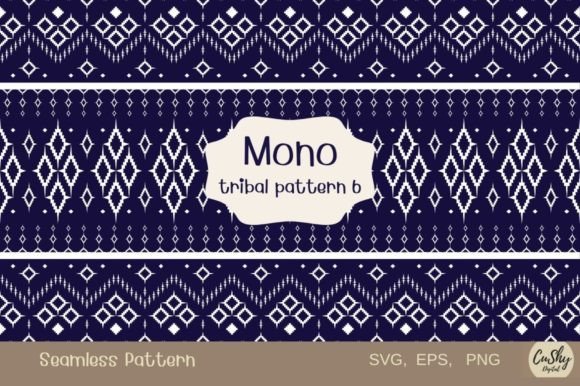
Mono Tribal Pattern6 is a seamless decorative pattern inspired by native tribal art, rendered in a single-color format for clean, minimalist impact. It typically includes intricate geometric shapes and symbols that reflect indigenous heritage while maintaining a contemporary feel. The pattern is often used as a background image in digital projects, printed materials, and fabric designs due to its adaptability and professional finish.
Why Choose This Pattern?
- Cultural Authenticity: It draws from traditional tribal motifs, offering a respectful nod to native cultures without overcomplicating the design.
- Versatility: Monochrome makes it easy to pair with other colors and textures, allowing for creative flexibility in various applications.
- Seamless Repetition: As a repeating pattern, it ensures a cohesive look when tiled across surfaces like walls, textiles, or gift wrap.
- High-Quality Resolution: Available in 300 dpi PNG files (65×65 cm), it's ideal for print-based projects where detail matters.
Common Mistakes When Choosing and Using Mono Tribal Pattern6
Many creators overlook key considerations when selecting and applying Mono Tribal Pattern6, which can lead to suboptimal results. Here are some common pitfalls to avoid:
1. Misunderstanding the Cultural Context
Tribal patterns carry deep cultural significance. Using them carelessly can be seen as insensitive or inauthentic. Before using Mono Tribal Pattern6, ensure you understand the origins and meanings behind the motifs included. Opt for designs that are respectfully sourced or created with cultural awareness in mind.
2. Ignoring File Format Needs
The pattern is delivered as an SVG, EPS, and two PNG files. While this provides flexibility, not all formats are suitable for every project. For example, SVG and EPS are perfect for scalable vector graphics in logos or embroidery, but they may not render correctly on websites unless converted properly. Always confirm the file type best suited for your intended use before downloading.
3. Overlooking Print Requirements
If you plan to use the 65×65 cm PNG files for physical prints, verify that your printer supports 300 dpi resolution. Lower-quality printing can make the pattern appear blurry or unprofessional, especially if it’s being used in high-end products or as part of branding elements.
4. Assuming All Seamless Patterns Work the Same
Not every seamless pattern looks good when repeated. Some have subtle flaws at the edges that become noticeable upon tiling. Always preview how Mono Tribal Pattern6 repeats before finalizing your layout. If possible, test it on a small scale first to ensure it maintains visual harmony across larger areas.
5. Underestimating Color Contrast
Since this is a monochrome pattern, the contrast between the background and the design elements becomes crucial. Using a pale color on a light background can make the pattern fade into the surroundings, reducing its effectiveness. Consider experimenting with different shades or layering techniques to make the pattern pop.
How These Mistakes Impact Your Results
Getting these details wrong can affect more than just the aesthetics of your product. A poorly chosen pattern might compromise the usability of your design—especially if it’s hard to read or too busy. In terms of cost, low-resolution printing or incorrect file formats could lead to wasted materials or reprints. Additionally, misusing culturally significant motifs might damage your brand's reputation or reduce customer satisfaction, particularly among those who value authenticity and respect in design choices.
Practical Tips for Better Use
To maximize the potential of Mono Tribal Pattern6, consider the following advice:
Understand the Intended Application
Ask yourself: Will I be using this for digital backgrounds, fabric, or printed gifts? Each medium has specific requirements. For instance, if you're creating stickers or embroidered items, SVG and EPS files will give you the crispness needed for such work. For large wall art, the high-res PNGs will deliver the clarity required.
Test the Seamless Repeat
Before mass-producing anything, tile the pattern on a sample surface to check for visible seams or inconsistencies. You can use graphic design software like Adobe Illustrator or online tools to simulate this effect. Adjustments can be made if necessary, or another pattern selected if the repeat doesn’t suit your needs.
Balance with Other Elements
Avoid overcrowding your design with too many overlapping elements. Let the pattern breathe by pairing it with solid colors, simple typography, or minimalistic layouts. This approach enhances readability and maintains a polished appearance.
Respect Cultural Nuances
Research the culture associated with the pattern. Are there sacred symbols or traditions tied to the design? Even though it’s labeled as "mono tribal," it’s still important to handle it with care. You might also want to credit the source or include educational notes if distributing the design publicly.
Optimize for Digital vs. Print
If you’re planning to display the pattern digitally, adjust the brightness and contrast to match screen resolutions. For printed souvenirs or festival decorations, always confirm that the color profile (CMYK vs. RGB) is set correctly to ensure accurate representation in the final product.
Real-World Applications and Examples
Mono Tribal Pattern6 works well in a range of contexts. Here are a few realistic examples of how it can be applied effectively:
- Festival Souvenirs: Use it as a base for T-shirts, tote bags, or wrapping paper during events like Earth Day, Indigenous Heritage Month, or cultural celebrations. Its subtle design adds sophistication without overwhelming the message of the event.
- Home Decor: Apply it to throw pillows, curtains, or wall decals to bring a touch of native-inspired style into any room. Pair with natural textures like wood or stone for a harmonious look.
- Marketing Materials: Incorporate the pattern into brochures, posters, or branded merchandise for businesses with a focus on sustainability, wellness, or cultural appreciation. It conveys a sense of grounded elegance.
Things to Check Before Finalizing Your Choice
Before you commit to using Mono Tribal Pattern6, ask yourself these questions:
- Does the pattern align with my brand identity or the theme of the festival/event?
- Am I using the correct file format for my project type (print/digital)?
- Have I tested the seamless repeat for any visual disruptions?
- Is the color contrast strong enough for visibility and impact?
- Do I understand the cultural background of the design and am I using it respectfully?
Conclusion
Mono Tribal Pattern6 is a powerful design element that can elevate your projects with its rich symbolism and clean visuals. However, success depends on thoughtful application and attention to detail. By avoiding common mistakes and checking key factors like file format, print quality, and cultural relevance, you can ensure your creations resonate well with audiences and deliver professional results. Thanks for viewing and purchasing—you’ve chosen a design that honors tradition while fitting seamlessly into modern creativity. Happy crafting!