Seamless Floral Pattern Background: A Versatile Design Element for Creative Projects
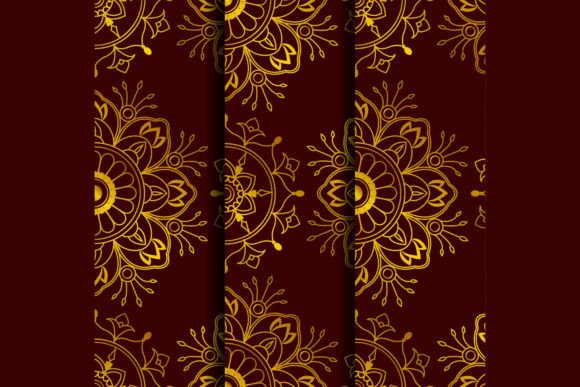
A seamless floral pattern background is a repeating design composed of floral elements that blend smoothly at the edges, allowing it to tile infinitely without visible breaks. This makes it an ideal choice for designers and creatives who need consistent, visually appealing backgrounds for digital or print projects. These patterns are often created using vector illustration techniques, ensuring scalability and clarity across different mediums.
Why Consider a Seamless Floral Pattern Background?
Designers and content creators frequently seek visual elements that can be easily adapted and reused. A seamless floral pattern offers just that — a cohesive look with minimal effort. Its versatility allows it to serve as a backdrop in various applications such as web design, app interfaces, packaging, invitations, and branding materials. The ornamental nature of floral designs also brings a sense of elegance and warmth, making them particularly suitable for themes related to nature, weddings, fashion, or botanical aesthetics.
Common Use Cases
- Web and App UI: Used as subtle textures behind text or images to enhance visual appeal without distracting from the main content.
- Print Materials: Ideal for brochures, posters, and greeting cards where high-resolution graphics are essential.
- Product Packaging: Adds a decorative yet professional touch to product boxes, labels, or fabric prints.
- Interior Design: Applied in wall murals, wallpaper, or textile patterns to create immersive environments.
- Branding and Marketing: Offers a unique way to incorporate thematic visuals into logos, promotional materials, or social media assets.
Benefits of Using a Seamless Floral Pattern Background
The primary advantage of a seamless floral pattern background is its ability to repeat seamlessly, which eliminates the need for complex tiling or adjustments. This feature is especially valuable when designing large-scale visuals or dynamic websites where background consistency is key. Additionally, because these patterns are typically available in multiple file formats like AI, EPS, PNG, SVG, and JPG, they provide flexibility for both digital and print use.
Vector-based seamless floral patterns ensure crisp lines and clean shapes at any size, making them print-ready and scalable. This means you can confidently use them in everything from small business cards to large banners without worrying about image degradation. High-quality files also allow for easy editing, enabling users to customize colors, spacing, or individual elements to match their specific needs.
Tradeoffs and Considerations
While seamless floral patterns offer many benefits, there are some factors to keep in mind before incorporating them into your project. One potential tradeoff is that overly intricate floral designs may not work well in all contexts. For example, if used as a website background, a very detailed pattern could compete with the content, reducing readability and user experience.
Another consideration is the intended audience. While floral motifs are universally admired, they may not align with every brand identity or message. If your project requires a more modern or minimalist aesthetic, a seamless floral pattern might feel out of place. In such cases, simpler geometric or abstract patterns may be more appropriate.
Also, it's important to evaluate the color palette and contrast of the pattern against the foreground content. If the colors are too similar or the pattern is too dark, it can make text difficult to read. Always test how the pattern interacts with other design elements before finalizing your layout.
When It’s a Strong Fit
A seamless floral pattern background is most effective when the goal is to add organic beauty and texture to a design. They work exceptionally well in: - Wedding invitations and event décor - Floral-themed branding, such as for flower shops or wellness products - Seasonal campaigns, especially during spring or summer promotions - Editorial layouts like magazines or blogs focused on lifestyle, fashion, or home décor These situations benefit from the natural, flowing quality of floral designs and their ability to evoke emotion and visual harmony.
Alternatives to Consider
If a seamless floral pattern doesn’t suit your needs, there are several alternatives worth exploring. Geometric patterns offer a structured and contemporary feel, while abstract patterns can provide artistic flair without being literal. Minimalist line art is another excellent option for those seeking subtlety and simplicity.
Additionally, consider using solid color gradients or texture overlays as non-patterned options. These approaches can achieve a sophisticated look without the complexity of repetition or alignment issues. When choosing between pattern types, always prioritize usability and how well the background supports the overall design purpose.
How to Choose the Right Seamless Floral Pattern
Selecting the right seamless floral pattern involves understanding your project’s requirements and aesthetic goals. Here are some practical insights to guide your decision:
- Define Your Purpose: Are you looking for a bold statement or a subtle accent? Choose a pattern that complements your message.
- Consider File Formats: Ensure the pattern is available in the formats you need (AI, EPS, PNG, SVG, JPG) for compatibility with your workflow.
- Test Scalability: If the pattern will be printed or displayed at large sizes, confirm it remains clear and sharp.
- Evaluate Color Options: Opt for a pattern that can be easily recolored to match your brand or theme.
- Check Licensing: Make sure the pattern is royalty-free or comes with the appropriate usage rights for commercial or personal projects.
By taking these steps, you can ensure the chosen pattern meets both your creative vision and technical demands.
Expectations and Best Practices
When working with a seamless floral pattern background, it's important to manage expectations around its limitations and optimal use. Expect the pattern to function best as a secondary design element rather than a focal point. To maintain balance, avoid overusing the same pattern across multiple pages or sections of a project, as this can lead to visual fatigue.
Best practices include layering the pattern beneath transparent elements or using it sparingly in combination with solid blocks of color. Also, consider adjusting the opacity or applying filters to soften the pattern’s impact and integrate it more naturally with other design components.
Conclusion
A seamless floral pattern background is a powerful tool for enhancing the visual appeal of a wide range of creative projects. With its elegant design and adaptability, it provides an efficient solution for adding style and sophistication to digital and print materials alike. However, its effectiveness depends on thoughtful implementation and alignment with the project’s overall objectives.
Before committing to a seamless floral pattern, take time to assess its suitability based on your target audience, platform, and design style. By doing so, you can determine whether it will elevate your work or require modification to meet your standards. Ultimately, the right pattern should support your message and enhance the user experience, rather than overshadow it.