Exploring the Beauty and Benefits of Flowering White Sedum Plant
The Flowering White Sedum Plant, often referred to as fairy crassula or starry sedum, is a charming addition to any garden or indoor space. Known for its delicate white blossoms and compact rosette form, this plant brings both beauty and practicality to modern gardening. Whether you're an experienced horticulturist or just starting your journey into botany, understanding the unique qualities and care requirements of the flowering white sedum can help you make the most of this versatile succulent.
What Makes Flowering White Sedum Unique?
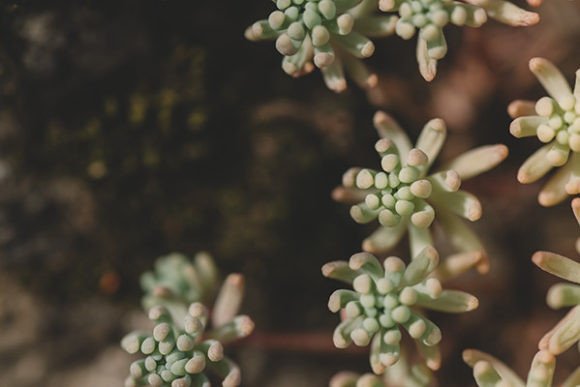
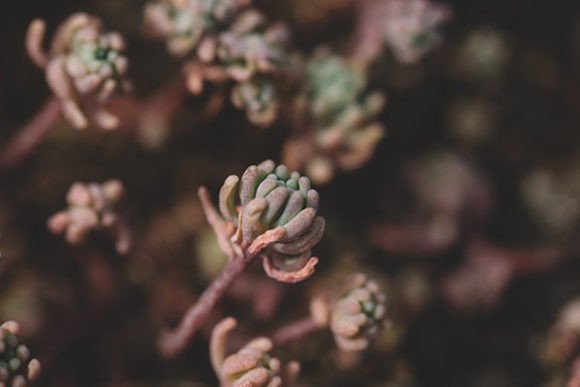
This miniature marvel belongs to the Crassulaceae family, which includes over 1,400 species of succulents. The flowering white sedum stands out due to its small stature and stunning summer blooms that resemble tiny stars. Its leaves are typically green with subtle hints of pink or purple when exposed to full sun, making it a colorful yet understated choice for ornamental planting.
One of the most notable features of this plant is its ability to thrive in a variety of environments. It’s ideal for ground cover, rock gardens, or even container gardening. Its rosette structure allows it to grow densely, offering a lush, decorative appearance that many houseplant enthusiasts appreciate.
Macro Photography: Capturing the Details
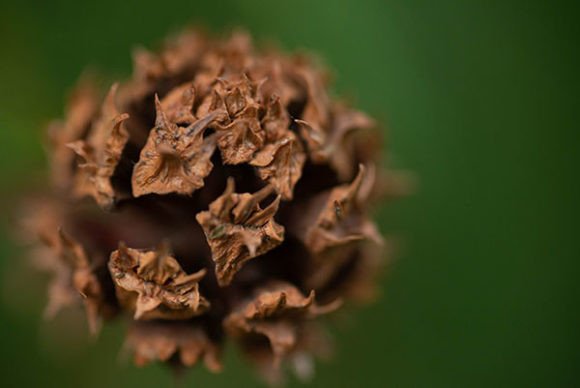
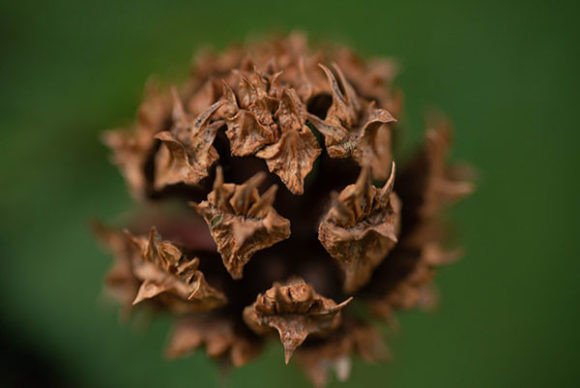
With its intricate details and vibrant colors, the flowering white sedum becomes a subject of fascination under macro photography. Each blossom, barely larger than a fingertip, reveals a world of natural artistry. The pitted texture of the petals, the delicate veins on the leaves, and the miniature size of the flowers all contribute to its appeal for photographers who love capturing nature's smallest wonders.
If you’re interested in botanical photography, consider using a macro lens to highlight the plant's freshness and exotic charm. The contrast between the deep green foliage and the crisp white blossoms makes it a perfect candidate for high-quality images that emphasize clarity and detail. These photos can serve not only as personal mementos but also as educational tools or decorative content for blogs, social media, or interior design projects.
Growing Conditions and Care Tips
To ensure your flowering white sedum thrives, it’s important to understand its preferred growing conditions. This plant enjoys bright light, ideally from a south-facing window if kept indoors or direct sunlight outdoors during spring and summer. However, too much heat without adequate airflow can cause stress, so balance is key.
- Soil: Well-draining soil is essential. A mix designed for succulents or cacti works best.
- Watering: Allow the soil to dry completely between waterings. Overwatering is one of the most common mistakes made by gardeners.
- Temperature: Prefers moderate temperatures and can tolerate some cold, especially when dormant in winter.
- Fertilizer: A light feeding once a month during the growing season supports healthy development.
When it comes to propagation, the flowering white sedum is relatively easy to grow from cuttings or offsets. Simply remove a healthy rosette, let it callous for a day or two, and then place it on top of dry soil. With time and patience, new roots will develop, and a fresh plant will begin to grow.
Why Choose Flowering White Sedum for Your Garden?
There are several reasons why gardeners and plant lovers choose the flowering white sedum for their collections. First and foremost, it's a low-maintenance plant that still delivers big visual impact. Its ability to bloom even in harsher conditions makes it a symbol of resilience and pride in any landscape.
Additionally, this plant contributes positively to the ecosystem. While it may be small, it attracts pollinators like bees and butterflies, enhancing biodiversity in your outdoor or indoor garden. For those looking to create a more sustainable environment, incorporating flowering white sedum into your flora choices can be a rewarding step.
Its role as a ground cover is also worth noting. In London gardens and other urban settings, it helps prevent soil erosion and adds a touch of freshness beneath taller plants. It's particularly useful in xeriscaping, where water conservation is a priority. The plant's ability to retain moisture in its leaves means it doesn't require frequent irrigation, making it a smart choice for eco-conscious gardeners.
Indoor vs. Outdoor Cultivation
Whether you decide to grow your flowering white sedum indoors or outdoors depends largely on your climate and available space. Indoors, it serves as a decorative houseplant that brings a sense of nature into your home. Place it near a window with plenty of indirect light, and it will flourish year-round.
Outdoors, it's at home in sunny, well-drained areas. It can handle rocky terrain and poor soil conditions better than many other ornamental plants. This adaptability makes it a popular choice among gardeners who want to add color and texture to challenging spaces such as walls, pathways, or between stepping stones.
For optimal growth, consider planting it alongside other succulents or dwarf flowering plants. Grouping similar plants together creates a cohesive look and simplifies maintenance. The contrast of green, pink, and purple tones in the foliage can create a visually appealing arrangement, especially when paired with contrasting backgrounds.
Seasonal Growth and Blooming Cycles
Understanding the seasonal behavior of the flowering white sedum can help you manage expectations and provide the right care throughout the year. During spring and early summer, you’ll notice increased leaf production and the formation of buds. By midsummer, the plant is likely to burst into bloom with clusters of white flowers radiating from the center of each rosette.
In autumn, blooming slows down as the plant begins to prepare for dormancy. Leaves may take on more intense colors, especially in cooler climates. Winter care should focus on minimal watering and protection from frost, particularly if grown in containers that can be moved indoors.
Some gardeners prune back the flowering stems after blooming to encourage denser growth. Others allow the spent flowers to remain, enjoying the architectural interest they bring to the plant’s overall shape. Either way, the flowering white sedum offers a cycle of beauty that aligns with the changing seasons.
Design and Decorative Uses
Beyond its ecological benefits, the flowering white sedum is a go-to choice for decorative applications. Its mini size and natural aesthetic fit seamlessly into modern, minimalist, and even rustic garden designs. In urban environments, where space is limited, this plant can be used creatively to enhance small balconies, terraces, or window boxes.
Here are a few ideas for incorporating it into your decor:
- Container Gardens: Pair it with other small succulents for a mixed-media effect. Use shallow pots with good drainage for best results.
- Rock Gardens: Let it fill in crevices and gaps between stones for a natural, wild look.
- Wall Hangings: Grow it in hanging planters or vertical gardens to maximize space and add dimension.
- Edging Plants: Use it to outline paths or flower beds, creating a soft boundary with its low-growing habit.
Its versatility extends to interior design as well. When placed on shelves or coffee tables, the plant acts as a living decoration that purifies the air while adding a touch of exotic beauty. Many designers use it as part of layered arrangements, combining it with other miniature mountain flowers to create a natural, colorful display.
Common Considerations Before Growing
Before choosing the flowering white sedum for your garden or home, there are a few factors to keep in mind:
- Light Exposure: Ensure it receives enough light. Insufficient lighting can lead to leggy growth and fewer blooms.
- Pest Resistance: Generally resistant to pests, though mealybugs and aphids can occasionally pose a problem. Regular inspections help catch issues early.
- Spacing: Leave room between plants to promote airflow and reduce the risk of rot.
- Climate Suitability: Thrives in USDA zones 4–9, but can be grown in colder regions with proper protection.
Also, note that it prefers slightly drier conditions rather than consistently moist soil. If you're unsure about how much water your plant needs, err on the side of caution—let the soil dry out before checking again.
How to Enhance Growth and Longevity
To keep your flowering white sedum healthy and thriving, follow these simple tips:
- Use Quality Soil: A gritty, fast-draining mix prevents root rot and encourages strong growth.
- Avoid Overcrowding: Give each plant enough space to spread out and avoid disease.
- Provide Good Airflow: Stagnant air increases the risk of fungal infections, so position them where they can receive gentle breezes.
- Repot Occasionally: Every couple of years, refresh the soil and check for any signs of overcrowded roots.
During the growing season, you can propagate freely to expand your collection or share with friends. Cuttings rooted in sand or perlite tend to sprout quickly, and offsets can be gently removed and replanted for instant success.
Pairing with Other Plants and Elements
Because of its small size and non-invasive nature, the flowering white sedum pairs well with a wide range of companions. Consider planting it next to:
- Other Crassula varieties for a cohesive look
- Dwarf grasses or ornamental grasses for texture contrast
- Miniature mountain flowers to create a diverse alpine-inspired garden
- Ornamental rocks or pebbles to mimic natural landscapes
It also blends beautifully with decorative elements like fairy lights, trellises, or wind chimes. These additions can elevate the ambiance of your garden or balcony, turning it into a peaceful retreat filled with natural beauty.
Embracing Nature in Modern Gardening
As people seek to connect more deeply with nature, the flowering white sedum has become a favorite in both traditional and contemporary gardening styles. Its natural appearance and ease of care make it suitable for a wide array of lifestyles—from busy professionals who need low-maintenance plants to weekend gardeners looking to experiment with exotic species.
Moreover, its role in supporting local ecosystems cannot be overstated. Even in a small garden, it contributes to a healthier environment by providing food and shelter for beneficial insects. This makes it not just a decorative element but also a meaningful part of your outdoor or indoor ecosystem.
For those who enjoy the idea of a living, evolving space, the flowering white sedum offers a sense of pride and satisfaction. Watching it grow, bloom, and thrive is a rewarding experience that fosters a deeper appreciation for the natural world around us.
Creative Projects Featuring Flowering White Sedum
Due to its unique characteristics, the flowering white sedum is often featured in creative projects such as:
- Botanical Art: Used in pressed flower art or botanical illustrations for its distinct shape and color.
- Eco-Friendly Crafts: Incorporated into terrariums or miniature gardens for a decorative yet functional touch.
- Photography Projects: As a subject for macro photography, showcasing the plant's natural intricacies.
- Interior Design: Placed in stylish planters to complement modern décor with a hint of greenery and freshness.
These uses reflect the plant's adaptability and the ways it can enhance both artistic expression and environmental consciousness. Whether you're a photographer, gardener, or DIY enthusiast, the flowering white sedum opens up a world of possibilities.
Ultimately, the Flowering White Sedum Plant is more than just a pretty face. It's a resilient, adaptable, and ecologically valuable species that fits effortlessly into modern lifestyles. From its role in decoration to its function in supporting natural habitats, it’s a plant worth considering for anyone who appreciates the quiet strength of nature.