Miniature Mountain Flower: A Guide to Cultivating Tiny Ecosystems
There is a distinct joy in observing the intricate details of nature that often go unnoticed in a busy landscape. While vast forests and sprawling meadows command attention, there is a growing appreciation for the miniature mountain flower, a subject that blends botany with artistry. This isn't just about having a pretty plant on a windowsill; it is about creating a contained environment where beauty, resilience, and freshness coexist. For hobbyists, educators, and designers alike, understanding these tiny flora offers a practical way to bring the outdoors in without sacrificing space or sanity.
Understanding the Miniature Mountain Flower
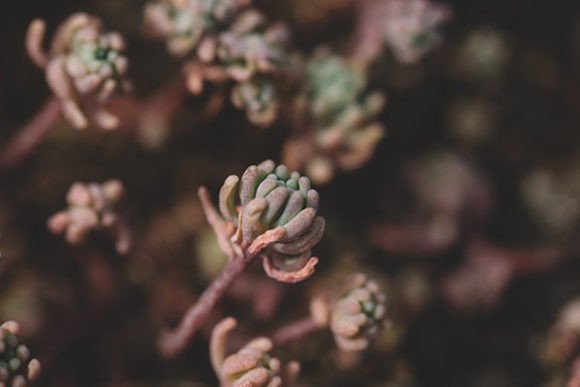
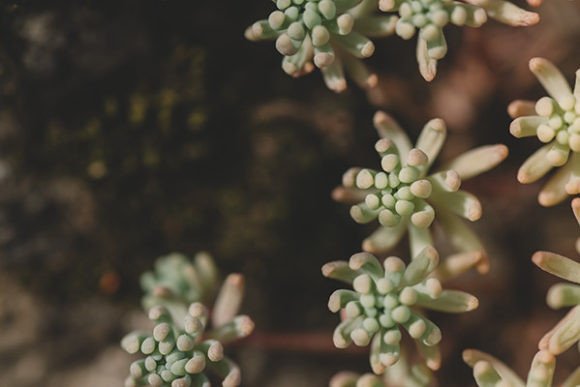
When we talk about the miniature mountain flower, we are generally referring to small-scale alpine plants, succulents, or specialized ground covers that thrive in high-altitude conditions but adapt well to controlled indoor settings. These plants are characterized by their compact growth habits, often forming tight rosettes or low-lying mats. Think of species like crassula, various sedums, or petite saxifrages. They are not merely "small versions" of larger flowers; they are evolved organisms designed to survive harsh winds and cold temperatures, which translates into remarkable hardiness and unique aesthetic qualities.
The visual appeal lies in their texture and color palette. You might find leaves that are deep green with hints of purple edges, or blossoms that pop in shades of pink, white, and vibrant colorful hues against a rocky backdrop. The term "mountain" implies a rugged origin, yet the result is often soft, delicate, and almost fairy-like in its presentation. This contrast between a tough survivalist origin and a delicate appearance is what makes them so captivating for ornamental purposes.
Practical Applications in Home Decor
One of the most immediate uses for these miniature wonders is in interior design and home decor. In an era where urban living spaces are shrinking, vertical gardening and tabletop ecosystems have become popular solutions for adding life to apartments. A miniature mountain flower arrangement can serve as a stunning centerpiece or a subtle accent piece.
- Aquascaping and Terrariums: These plants are ideal for closed or semi-closed terrariums. Their slow growth rate means they don't quickly overtake the space, allowing you to create a permanent natural diorama. Imagine a glass jar filled with moss, small stones, and a cluster of succulent rosettes—a self-sustaining ecosystem that requires minimal intervention.
- Desk Accessories: For professionals working from home, a small pot containing a little alpine plant can reduce stress and improve air quality. Unlike large houseplants that demand significant light and water, many miniature mountain varieties tolerate lower light levels and irregular watering schedules, making them perfect for the busy office worker.
- Fairy Gardens: The fairy garden trend has gained traction among adults seeking a creative outlet. Using miniature elements like tiny rocks, moss, and petite flowers allows creators to build whimsical landscapes. The starry night sky effect can be mimicked using blue-flowering varieties or reflective pebbles, turning a simple tray into a magical scene.
Educational and Creative Value
Beyond decoration, the miniature mountain flower serves as an excellent tool for education and creative expression. Teachers and parents use these plants to demonstrate botanical concepts such as adaptation, photosynthesis, and growth cycles. Because these plants grow slowly, students can observe changes over weeks rather than days, fostering patience and careful observation skills.
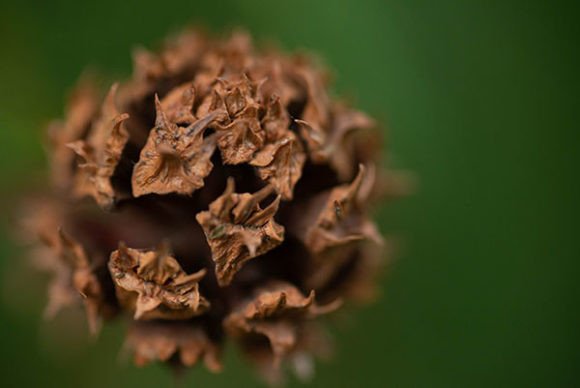
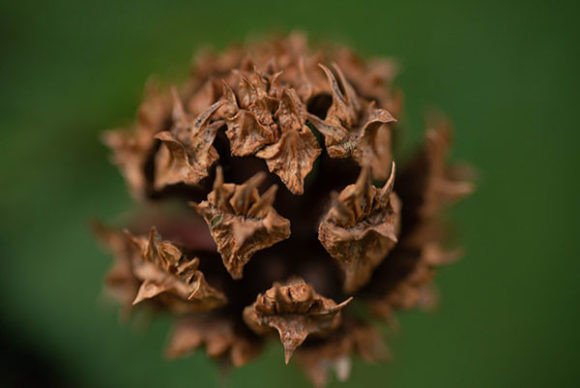
For artists and photographers, these subjects offer endless opportunities. The macro photography genre thrives on the textures found in small plants. Capturing the dew drops on a leaf or the intricate pattern of a blossom reveals a hidden world of beauty. Photographers often use these miniatures to practice lighting techniques, depth of field control, and composition without needing access to vast outdoor locations. The pitted surfaces of some succulent leaves or the rough texture of alpine soil provide rich tactile contrasts that translate beautifully into images.
Considerations for Growing and Maintenance
While the idea of maintaining a tiny ecosystem sounds effortless, success depends on understanding the specific needs of the flora. One common mistake is treating all small plants as identical. Just because a plant fits in a small pot does not mean it has the same care requirements as a tropical fern.
Soil and Drainage: Most mountain-originating plants require excellent drainage. Heavy, water-retentive soils will lead to root rot. A mix of perlite, pumice, and organic matter is often necessary to mimic the rocky, well-drained slopes of their natural habitat. This ensures that the ground cover or rosette remains healthy and does not become pitted with decay.
Light Requirements: Although they are called "mountain" flowers, many have adapted to intense sunlight. Placing them in a dark corner might cause them to stretch out (etiolate) and lose their compact rossette shape. Providing bright, indirect light or direct morning sun helps maintain their pride and vibrant colors. However, excessive heat can scorch delicate pink or white petals, so monitoring the temperature is crucial.
Watering Habits: The key to keeping crassula and similar succulents alive is less is more. Allow the soil to dry out completely between waterings. Overwatering is the primary killer of these plants. When you do water, ensure it reaches the roots but doesn't sit at the bottom of the container. This approach mimics the sporadic rainfall patterns of mountain regions.
Choosing the Right Varieties
Not all miniature plants are suitable for every environment. If you are looking for a decorative addition that thrives in humidity, traditional alpine flowers might struggle. Instead, consider hardy succulents like Sempervivum (Hens and Chicks), which form beautiful rosettes and produce offsets easily. For those who want actual blossoms, look for small-blooming varieties like Phlox subulata (Creeping Phlox), which creates a carpet of colorful flowers in spring.
When sourcing these plants, consider whether you are buying for personal enjoyment or for commercial display. For commercial settings, durability is paramount. Choose varieties that are resistant to pests and can withstand fluctuations in temperature and humidity. For personal hobbies, you might prioritize rare or exotic specimens that challenge your gardening skills. The exotic nature of certain alpine species can add a unique conversation starter to any gathering, showcasing your knowledge of botany and nature.
The Psychological Benefits of Miniature Gardening
Engaging with miniature mountain flowers offers more than just aesthetic pleasure; it provides psychological benefits. The act of tending to small, delicate plants encourages mindfulness. It forces you to slow down and pay attention to the present moment. In a fast-paced world, this pause can be refreshing. Watching a new leaf unfurl or a tiny blossom open is a reminder of the quiet power of growth.
Furthermore, creating a small green space indoors connects us to the outdoors even when we are confined. It brings a sense of freshness and vitality into sterile environments. Whether you are a freelancer needing inspiration, a student seeking a calming study buddy, or simply someone who appreciates the beautiful intricacies of life, a miniature mountain flower arrangement can be a meaningful addition to your daily routine.
Conclusion
The miniature mountain flower is more than a decorative item; it is a gateway to understanding resilience, beauty, and the delicate balance of nature. By choosing the right plants, providing appropriate care, and integrating them thoughtfully into your space, you can create a lasting impression of natural elegance. Whether used for educational purposes, creative projects, or personal relaxation, these tiny plants offer a big impact. Embrace the challenge and reward of cultivating a miniature world, and let the freshness of nature bloom right before your eyes.