Geometric Seamless Pattern: Integrating Abstract Vector Assets into Professional Design Workflows
The ability to transform a flat digital file into a tangible, high-impact visual asset is the cornerstone of modern graphic design. At the heart of this transformation lies the Geometric Seamless Pattern, a versatile vector asset that serves as more than just a decorative element. It is a structural component of brand identity, user interface design, and physical product manufacturing. While the adage suggests that one can never cross the ocean without losing sight of the shore, in the context of design, you will never know how effective these patterns are until you actively integrate them into your workflow. The transition from abstract concept to applied utility requires a shift in perspective—from viewing a pattern as mere decoration to recognizing it as a scalable, functional tool for creative problem-solving.
The Nature of Geometric Seamless Patterns
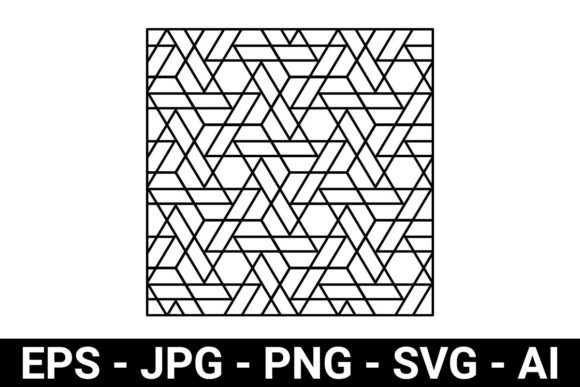
A geometric seamless pattern is defined by its mathematical precision and repetitive structure. Unlike organic or illustrative designs, which rely on irregular shapes and freeform lines, geometric patterns utilize grids, angles, and symmetrical arrangements to create a surface that repeats infinitely without visible breaks. This "seamless" quality is not merely an aesthetic choice but a technical necessity for large-scale applications. When applied to textiles, wallpapers, or web backgrounds, the pattern must tile perfectly, ensuring that the viewer’s eye does not detect the starting or ending point of the repetition.
The value of these patterns lies in their decorative abstraction. They provide visual interest and texture without overwhelming the primary content. For professionals ranging from marketers to educators, this balance is crucial. A pattern can add depth to a presentation slide or brand consistency to a social media post without distracting from the core message. The use of vector graphics ensures that these assets remain crisp at any scale, making them ideal for projects that require both digital display and high-resolution print output.
Preparation and Technical Specifications
Before integrating a Geometric Seamless Pattern into a project, understanding the technical specifications is essential for maintaining quality control. High-quality assets typically come in specific formats that dictate their usability. The inclusion of JPG, PNG, AI, and EPS 10 files provides flexibility across different stages of the design process.
- AI and EPS 10: These vector formats are indispensable for scalability. They allow designers to modify colors, adjust dimensions, and edit individual elements without loss of quality. This is particularly important when customizing a pattern to match a specific brand palette or when preparing files for large-format printing.
- PNG: With support for transparency, PNG files are excellent for overlaying patterns onto existing designs or creating layered effects in digital interfaces.
- JPG: As a compressed raster format, JPGs are suitable for quick previews and web optimization, though they lack the editability of vector files.
Resolution plays a critical role in the final outcome. A standard resolution of 300 DPI (dots per inch) with pixel dimensions of 4000×4000 ensures that the pattern is sharp enough for professional printing. However, users must be aware that screen rendering may differ slightly from physical prints due to color profile variations. Therefore, proofing is a necessary step before final production, especially for items like packaging or apparel where color accuracy is paramount.
Integration Across Digital Platforms
In the digital realm, Geometric Seamless Patterns serve as foundational elements for user experience (UX) and user interface (UI) design. They are frequently used to create engaging backgrounds for websites, landing pages, and mobile applications. By applying these patterns as CSS backgrounds or image layers, designers can add texture and sophistication to otherwise flat layouts.
Social media management also benefits significantly from these assets. Registration of profile pages in social networks such as Twitter, YouTube, Facebook, and Instagram often involves designing cover images, banners, and profile pictures. A well-chosen geometric pattern can unify a brand’s visual presence across these platforms. For instance, a consistent pattern applied to banner ads for Google Adwords, Facebook, or Instagram creates immediate brand recognition. The repetitive nature of the pattern draws the eye, while its geometric structure conveys stability and professionalism.
Furthermore, these patterns are highly effective for desktop and smartphone wallpapers. In a crowded digital environment, a unique geometric design can personalize a device while maintaining a clean, organized aesthetic. This application highlights the dual nature of the asset: it is both a personal expression and a professional tool.
Physical Applications and Print Readiness
The true versatility of a Geometric Seamless Pattern is realized in physical production. Because these patterns are designed for tiling, they are inherently suited for surfaces that extend beyond the boundaries of a single sheet. This makes them ideal for a wide range of merchandise and home goods.
For small business owners and entrepreneurs, these patterns offer a low-cost entry into product customization. They can be printed on notebooks, book covers, and pillows, adding a bespoke touch to everyday items. In the realm of home decor, floor tiles, rugs, and kitchen towels benefit from the durability and visual appeal of geometric designs. The pattern withstands wear and tear while remaining visually relevant over time.
Fashion and textile industries rely heavily on seamless patterns for T-shirts, umbrellas, and bedding. The ability to scale the pattern to fit different garment sizes without distortion is a key advantage. Similarly, in advertising, printed materials such as brochures and flyers can use these patterns to create a cohesive look that stands out against competitors’ plain white backgrounds. The key to success here is ensuring that the print preparation includes proper bleed settings and color correction to account for the difference between RGB (screen) and CMYK (print) color spaces.
Workflow Efficiency and Strategic Use
Integrating Geometric Seamless Patterns into a workflow requires strategic planning. Rather than treating them as afterthoughts, designers should consider them during the initial conceptual phase. For example, when developing a brand identity, selecting a geometric pattern early on can inform the choice of typography and color schemes. The pattern acts as a visual anchor, guiding subsequent design decisions.
For freelancers and publishers, using pre-made high-quality patterns saves time and resources. Instead of creating a pattern from scratch, which can be labor-intensive, professionals can license or purchase a premium asset and customize it to fit their needs. This approach allows for faster turnaround times and greater efficiency, enabling creators to focus on other aspects of their projects, such as copywriting or strategy.
However, effective integration also demands attention to detail. Consistency is vital. If a pattern is used in a logo, it should ideally appear in related marketing materials to reinforce brand recognition. Additionally, users must ensure that the pattern does not interfere with readability. Text placed over a busy geometric background may become difficult to read if contrast is not properly managed. Using opacity adjustments or solid overlays can mitigate this issue.
Long-Term Value and Adaptability
The longevity of a design project often depends on the adaptability of its core assets. A Geometric Seamless Pattern is timeless because it relies on fundamental shapes rather than fleeting trends. This makes it a valuable investment for long-term branding. Whether used in a decade-old textbook or a current app interface, geometric patterns maintain their relevance.
Moreover, the modular nature of these patterns allows for endless variation. By altering the color palette, scale, or orientation, designers can create entirely new looks from the same base asset. This adaptability supports dynamic branding strategies, where visual elements evolve over time while retaining core identity markers. For educators and bloggers, this means that a single pattern can be repurposed across multiple courses, articles, or newsletters, ensuring a consistent visual language throughout a content library.
Conclusion
The journey of incorporating a Geometric Seamless Pattern into your work is akin to crossing an ocean: it requires courage to let go of conventional layouts and trust in the power of abstraction. Once you commit to trying these patterns, you discover their immense potential. From enhancing digital interfaces to elevating physical products, they offer a blend of beauty and functionality that is hard to replicate. By understanding their technical specifications, respecting their integration points, and applying them with strategic intent, professionals can unlock a new level of creativity and efficiency. The result is not just a pretty design, but a robust, scalable solution that adds value to every touchpoint of your brand or project.