Halloween Spider Web, Black Cobweb Frame: Strategic Design Elements for Seasonal Impact
In the landscape of seasonal marketing and event design, visual hierarchy is not merely an aesthetic choice; it is a functional tool for guiding attention. The Halloween Spider Web, Black Cobweb Frame represents more than just a decorative motif. It is a structural element that, when deployed with intention, can significantly enhance the clarity and impact of your communication materials. For entrepreneurs, marketers, and creators navigating the Q4 holiday season, understanding the strategic utility of these vector assets—from EPS and SVG formats to high-resolution PNGs—is essential for maintaining brand integrity while embracing thematic urgency.
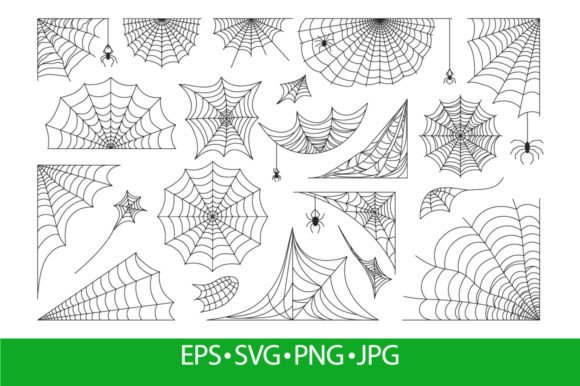
This article explores how to leverage the scary spiderweb with spiders silhouette vector set not as random clutter, but as a deliberate component of your broader operational and branding strategy. We will examine the practical applications, technical advantages, and potential pitfalls of using black cobweb frames, borders, and corners in professional contexts.
The Strategic Value of Thematic Framing
Why do we use frames? In design theory, a frame serves to isolate content from its background, creating a focal point. A Halloween spider web, black cobweb frame performs this function while simultaneously injecting narrative context. Unlike a solid border, which can feel rigid and corporate, a cobweb structure suggests texture, age, and atmosphere. It signals to the viewer that the content within is part of a specific experience—typically one associated with mystery, autumn, or the supernatural.
For small business owners and bloggers, this distinction matters. When you launch a seasonal promotion, a webinar, or a special edition product, you are competing against a noisy digital environment. A well-placed decorative cobwebs silhouette acts as a visual anchor. It tells the audience, "Pay attention here; this is different." However, this effect only works if the framing is subtle enough to support the message rather than overpower it. The goal is to create an immersive environment without sacrificing readability or user experience.
Enhancing Brand Positioning Through Atmosphere
Branding is not static. It adapts to cultural moments and seasonal shifts. Integrating black cobweb frames into your visual identity during October allows brands to demonstrate cultural relevance without altering their core logo or primary color palette. This is particularly effective for:
- Educators and Creators: Who need to capture student engagement through visually stimulating course materials or classroom decorations.
- Publishers and Marketers: Who require eye-catching headers for newsletters, blog posts, or social media campaigns.
- Freelancers: Who offer party planning, interior design, or event coordination services and need portfolio pieces that showcase atmospheric capability.
By using a spider web, black cobweb frame, you are not just decorating; you are positioning your brand as attentive to detail and culturally aware. This subtle alignment builds trust with an audience that values both professionalism and creativity.
Technical Considerations: Format and Flexibility
The effectiveness of any design asset depends heavily on its technical specifications. The availability of the Halloween Spider Web, Black Cobweb Frame in multiple formats—EPS, SVG, PNG, and JPEG—offers distinct advantages depending on your workflow and end-use.
Vector Formats (EPS and SVG)
For professionals working in print or scalable digital environments, the vector nature of EPS and SVG files is non-negotiable. These formats allow you to resize the scary spiderweb with spiders silhouette without losing resolution. Whether you are designing a large-scale banner for a corporate office lobby or a tiny favicon for a website, the lines remain crisp.
SVG is particularly valuable for web developers and digital marketers. Because SVG code can be embedded directly into HTML, it loads quickly and can be manipulated via CSS. You can change the color of the cobweb to match your brand’s dark mode theme or adjust its opacity to ensure text remains readable. This level of control transforms a static image into a dynamic UI element.
Raster Formats (PNG and JPEG)
While vectors offer scalability, raster formats like PNG and JPEG provide immediate usability for quick edits in software like Photoshop or Canva. High-resolution PNGs with transparent backgrounds are ideal for overlaying onto existing photographs or video content. They allow for rapid prototyping of social media graphics where speed is of the essence. However, decision-makers must remember that scaling up a low-resolution PNG will result in pixelation, compromising the professional quality of the final output.
Practical Applications and Use Cases
To maximize the return on investment for these design elements, consider integrating them into specific operational workflows. Below are strategic approaches to using Halloween spider web, black cobweb frame assets effectively.
- Email Marketing Headers: Use a corner-based cobweb frame in the top-left or bottom-right of your email newsletter. This draws the eye toward the call-to-action button without obscuring the subject line. Ensure the contrast between the black web and the white background is sufficient for accessibility standards.
- Social Media Story Borders: On platforms like Instagram or TikTok, use the decorative cobwebs silhouette as a border for user-generated content contests. Encourage followers to post photos framed by the design, creating a cohesive campaign aesthetic across your community.
- Printed Materials: For flyers, posters, or invitation cards, the EPS format ensures that the intricate details of the spider legs and web strands print sharply. This is crucial for physical events where first impressions are made within seconds.
- Website Hero Sections: Integrate a full-width black cobweb frame at the top or bottom of your homepage during October. Use it to separate navigation from content, adding depth to the layout. Pair this with a dark overlay to maintain text legibility.
Risks and Mitigation Strategies
Even the most powerful tools can fail if used incorrectly. The primary risk associated with Halloween Spider Web, Black Cobweb Frame assets is visual clutter. Halloween themes often lean heavily into darkness and complexity. If overused, the cobwebs can compete with your actual message, causing cognitive overload for the viewer.
Common Pitfalls
- Overcrowding: Placing cobwebs in every corner of a design leaves no room for the content itself. The frame should frame, not fill.
- Poor Contrast: Using black cobwebs on a dark background renders them invisible. Always test designs in grayscale to ensure sufficient contrast ratios.
- Inconsistent Scaling: Mixing vector and raster versions of the same asset can lead to inconsistent line weights. Stick to one source file type per project to maintain uniformity.
Strategic Mitigation
To avoid these risks, adopt a "less is more" philosophy. Use the scary spiderweb with spiders as an accent, not the main character. Limit the use of cobweb frames to one or two key touchpoints per campaign. For example, use them on the landing page header and the email signature, but keep the body content clean and unadorned. This selective application increases the perceived value of the decoration, making it feel intentional rather than generic.
Long-Term Planning and Asset Management
Seasonal design assets are often treated as disposable, used once in October and discarded. However, a strategic approach involves archiving and repurposing these elements. The Halloween spider web, black cobweb frame can serve as a template for other dark-themed holidays, such as Day of the Dead or even general horror-themed promotions in November.
Organize your vector library by keeping the original EPS and SVG files in a dedicated "Seasonal Assets" folder. Document the hex codes used for the black frames and any accompanying typography choices. This documentation streamlines future projects, reducing the time spent searching for resources and allowing more focus on creative execution.
Furthermore, consider the environmental impact of your design choices. By using scalable vector formats, you reduce the need for multiple file variations, optimizing storage and transfer efficiency. This aligns with broader sustainability goals, demonstrating that your brand considers the lifecycle of its digital footprint.
Conclusion: Intentional Design for Better Results
The Halloween Spider Web, Black Cobweb Frame is a versatile tool that bridges the gap between festive decoration and professional design. Its value lies not in its spookiness, but in its ability to structure content and guide attention. By understanding the technical nuances of SVG and PNG formats, recognizing the strategic benefits of atmospheric framing, and avoiding common pitfalls like visual clutter, you can deploy these assets with precision.
For entrepreneurs, marketers, and creators, the difference between a good campaign and a great one often comes down to these details. Use the decorative cobwebs silhouette to enhance your message, not distract from it. Plan your integration carefully, choose the right formats for your medium, and always prioritize clarity. In doing so, you transform a simple seasonal graphic into a strategic asset that supports your long-term branding and communication goals.