Ornamental Floral Frame Vector: A Versatile Design Element for Creative Projects
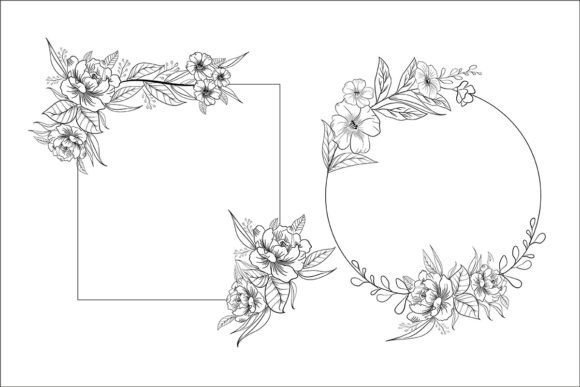
Ornamental floral frame vectors are digital illustrations that feature intricate, decorative floral patterns arranged in a border or frame format. These designs are commonly used to enhance visual elements such as cards, photo albums, artwork, and other creative projects. As vector graphics, they offer scalability without loss of quality, making them ideal for both print and digital use. In this article, we’ll explore what makes ornamental floral frame vectors valuable, how they can be applied across various design needs, and when alternatives might be more suitable.
Understanding Ornamental Floral Frame Vectors
An ornamental floral frame vector is typically composed of stylized flowers, vines, leaves, and other botanical elements arranged symmetrically or organically around a central space. These frames are often created using software like Adobe Illustrator or similar tools, allowing designers to manipulate colors, shapes, and sizes with precision. The most common file formats include SVG (Scalable Vector Graphics), EPS (Encapsulated PostScript), and high-resolution PNGs, which provide flexibility depending on the intended use.
Vector files are resolution-independent, meaning they maintain clarity at any size. This characteristic makes them particularly useful for large-format printing or scaling up for detailed applications. For example, an ornamental floral frame vector can be enlarged for a poster without losing its sharpness or detail, unlike raster images that may pixelate when stretched beyond their original dimensions.
Why People Choose Ornamental Floral Frame Vectors
Designers, artists, and crafters often turn to ornamental floral frame vectors because of their adaptability and aesthetic appeal. Whether you're working on wedding invitations, home decor items, or printable art, these frames add a touch of elegance and sophistication. Their versatility allows users to customize them easily—changing color palettes to match branding or themes, adjusting line thicknesses for different media, or integrating them into layered compositions.
Additionally, ornamental floral frame vectors are time-saving assets. Instead of drawing each element from scratch, users can access pre-designed templates and focus on tailoring them to fit specific needs. This efficiency is especially beneficial for professionals who require consistent and high-quality visuals for multiple clients or projects.
Benefits and Use Cases
The advantages of using ornamental floral frame vectors extend beyond just their beauty. Here are some key benefits:
- High Quality: With file resolutions reaching up to 4000 x 4000 px, these PNGs are perfect for detailed prints and professional-grade outputs.
- Multiple File Formats: Receiving both PNG and EPS files ensures compatibility with a wide range of design platforms and printing techniques.
- Customization Potential: The vector format enables easy editing, including resizing, recoloring, and reshaping, to suit individual preferences or project requirements.
- Print and Digital Flexibility: These frames work well in printed materials like greeting cards and in digital content such as website headers or social media posts.
Some common use cases for ornamental floral frame vectors include:
- Creating wedding cards or announcements with a romantic and elegant look.
- Enhancing photo albums or scrapbooks with personalized borders and frames.
- Adding a decorative touch to framed artwork, posters, or certificates.
- Using them as part of sublimation printing for custom mugs, apparel, or home goods.
- Incorporating them into home decor projects such as wall art, table runners, or fabric patterns.
Tradeoffs and Considerations
While ornamental floral frame vectors offer many benefits, there are also a few considerations to keep in mind. First, not all design tools support vector editing. If you're using basic image editors or online platforms that don’t handle SVG or EPS files well, you may need to convert them before applying changes.
Second, the complexity of the design can affect performance. Highly detailed vector files may slow down less powerful computers or take longer to render in certain programs. It’s important to assess your hardware and software capabilities before working with large or complex ornamental floral frame vectors.
Lastly, while these frames are visually appealing, they may not always be appropriate for minimalist or modern design styles. Overuse of ornate elements can lead to cluttered layouts, so it's crucial to balance aesthetics with functionality based on the project’s overall goal.
When to Use Ornamental Floral Frame Vectors
Ornamental floral frame vectors are particularly well-suited for projects where a traditional, artistic, or celebratory feel is desired. They work best in the following scenarios:
- Wedding and Event Design: These frames add a classic and romantic flair to invitations, thank-you cards, and event signage.
- Printable Art and Stationery: Ideal for creating personalized calendars, note cards, or framed prints with a handcrafted appearance.
- Home Decor and DIY Crafts: Perfect for enhancing textiles, wall art, or custom furniture pieces with floral motifs.
- Commercial Sublimation Projects: Their high-resolution PNG versions make them suitable for sublimation printing on items like mugs, tumblers, and apparel.
If you’re looking to create something that stands out with organic beauty and timeless charm, ornamental floral frame vectors are a strong fit.
When Alternatives Might Be Better
Although ornamental floral frame vectors are versatile, there are situations where simpler or alternative design elements could serve better:
- Minimalist Designs: If your project requires a clean, uncluttered layout, consider using subtle borders or geometric shapes instead.
- Modern or Contemporary Themes: Ornate floral designs may clash with sleek, modern aesthetics. Opt for abstract lines or monochromatic borders in such cases.
- Budget Constraints: Some vector files come with licensing fees or require premium software to edit. Always review terms and conditions before purchasing.
- Time-Sensitive Projects: If you need a quick solution without customization, stock photos or simplified clipart may suffice.
Evaluating the purpose, audience, and context of your project will help determine whether an ornamental floral frame vector is the right choice or if a different style would be more effective.
Practical Tips for Using Ornamental Floral Frame Vectors
To make the most of ornamental floral frame vectors, follow these practical insights:
- Understand Your Tools: Ensure you have compatible software to open and edit SVG or EPS files. Adobe Illustrator, CorelDRAW, or free tools like Inkscape are good options.
- Plan Your Layout: Before adding the frame, visualize how it will complement the main content. Avoid overwhelming the design with too much detail.
- Test Print Quality: When using these frames for physical products, test them on paper or fabric first to ensure the resolution and colors meet expectations.
- Stay Organized: Keep track of the different file types you receive (e.g., two PNGs and two EPS files) to streamline your workflow and avoid confusion later.
By planning ahead and understanding the technical aspects, you can integrate these vectors seamlessly into your creative process.
Conclusion
Ornamental floral frame vectors are a valuable resource for anyone involved in graphic design, event planning, or DIY crafting. Their ability to blend artistry with practicality makes them suitable for a wide array of uses—from wedding cards to home decor. However, their effectiveness depends on the project’s goals, target audience, and stylistic direction. While they offer exceptional quality and customization, they may not be the best option for every design scenario.
Before selecting an ornamental floral frame vector, consider your design intent, available tools, and the overall aesthetic you wish to achieve. If you find yourself needing something more refined or adaptable, explore alternatives that align better with your vision. Ultimately, the right choice enhances the project’s impact and meets the user’s expectations effectively.