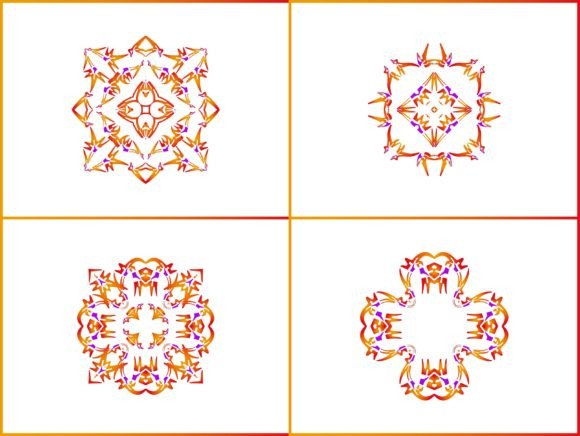
The Timeless Allure of Tribal Orange Ornament Abstract Patterns in Modern Design
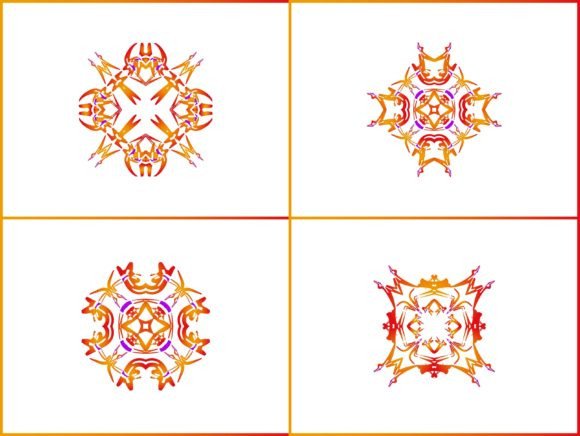
In the vast landscape of visual arts and graphic design, few styles capture the imagination quite like the tribal orange ornament abstract. This aesthetic is not merely a fleeting trend; it is a rich tapestry woven from threads of ancient history, ethnic heritage, and modern artistic interpretation. Whether you are a graphic designer seeking inspiration for a new project, a homeowner looking to add warmth to your interior space, or a business owner aiming to create a brand identity that resonates with authenticity, understanding the nuances of this style is essential.
At its core, this design language combines the earthy, vibrant energy of orange with the structured complexity of geometric and tribal motifs. It bridges the gap between the primitive and the contemporary, offering a visual experience that is both grounding and stimulating. In this article, we will explore the origins, characteristics, and versatile applications of tribal orange ornaments, demonstrating how these patterns can elevate any creative endeavor.
Understanding the Core Elements
To truly appreciate the beauty of tribal orange ornament abstract designs, one must first deconstruct its fundamental components. The term itself serves as a roadmap to the visual language employed by artists and designers.
The Power of Color: Why Orange?
Color psychology plays a pivotal role in design. While many tribal patterns rely heavily on black, white, or earth tones, the introduction of orange shifts the dynamic significantly. Orange is a color of enthusiasm, fascination, happiness, and creativity. It represents the fire element—warmth, transformation, and vitality. When used in an ornament context, it draws the eye immediately, creating a focal point that feels inviting rather than aggressive. Unlike red, which can signal danger or urgency, orange feels approachable and energetic, making it perfect for decorative purposes that aim to uplift the spirit.
Geometry and Structure: The Tribal Influence
The "tribal" aspect refers to the use of symbols and patterns derived from indigenous cultures around the world. These are often geometric in nature, utilizing shapes like triangles, diamonds, zigzags, and interlocking lines. These shapes are not random; they often carry symbolic meaning within their respective cultures, representing concepts such as community, protection, or natural elements. In a modern abstract context, these traditional symbols are reinterpreted. They may be simplified, exaggerated, or combined with other elements to create a unique pattern that honors tradition while embracing innovation.
Common shapes found in these designs include:
- Triangles: Often representing mountains, peaks, or spiritual ascent.
- Zigzags: Frequently symbolizing water, lightning, or movement.
- Diamonds: Commonly associated with fertility, the sun, or the eye.
- Circles/Ovals: Representing unity, cycles of life, or the moon.
Texture and Medium: From Vector to Watercolor
One of the most fascinating aspects of the tribal orange ornament abstract style is its adaptability across different mediums. You might encounter these designs as crisp, clean vector graphics, ideal for scalable digital media and print. Alternatively, they may appear as watercolor illustrations, where the grunge texture and bleeding edges add a sense of organic imperfection and hand-crafted charm. This versatility allows the same motif to function effectively in a high-tech app interface or a rustic, bohemian home decor item.
Applications in Modern Life and Business
The relevance of tribal orange ornament abstract patterns extends far beyond the canvas. Their ability to blend traditional aesthetics with modern sensibilities makes them incredibly practical for various industries.
Fashion and Textile Design
In the world of fashion, boho (bohemian) and ethnic styles have seen a resurgence. Designers utilize seamless textile prints featuring tribal orange ornaments to create clothing that feels both exotic and wearable. Think of summer dresses with geometric orange prints against a navy blue background, or accessories like scarves and bags that feature intricate aztec or mexican inspired motifs. The key here is balance; the boldness of the orange pattern is often tempered by neutral backgrounds or complementary colors like blue or black, ensuring the outfit remains sophisticated rather than overwhelming.
Interior Decor and Wallpaper
For interior designers, these patterns offer a way to inject personality into a room without committing to a permanent, overwhelming theme. Wallpaper featuring tribal orange ornaments can serve as an accent wall, drawing attention to a fireplace or a bed headboard. The seamless nature of many of these designs ensures that they repeat perfectly, creating a cohesive look across large surfaces. Furthermore, because the style is rooted in folk and native art, it pairs beautifully with natural materials like wood, rattan, and linen, enhancing the overall warmth of a space.
Branding and Graphic Design
Businesses looking to convey a sense of heritage, craftsmanship, or global connectivity often turn to tribal motifs. A logo or brand identity using a stylized tribal orange ornament can suggest strength, tradition, and creativity. For example, a travel agency specializing in cultural tours might use these elements to evoke the spirit of adventure. Similarly, artisanal brands selling handmade goods can use these patterns in their packaging to highlight the human touch behind their products. The graphic nature of these designs ensures they remain legible and impactful even at small sizes, such as on social media avatars or business cards.
Debunking Misconceptions About Cultural Appropriation
As the popularity of tribal and ethnic designs grows, it is crucial to address the sensitive issue of cultural appropriation versus appreciation. Many consumers and designers assume that using these patterns is inherently problematic. However, the key lies in respect, context, and credit.
Cultural appreciation involves learning about the origins of the symbols, understanding their significance, and using them in a way that honors their source culture. It avoids stereotyping or trivializing sacred symbols. For instance, using a specific religious symbol from a native tribe as a mere decorative border without understanding its meaning would be inappropriate. Conversely, collaborating with artists from those communities, or using generalized geometric patterns that draw inspiration from multiple cultures without claiming exclusive ownership, fosters a respectful exchange.
When purchasing or using these designs, ensure that you are sourcing them from reputable platforms that support indigenous artists or provide clear licensing information. This supports the creators and helps preserve the integrity of the art form.
Creating Your Own Tribal Orange Masterpiece
If you are inspired to incorporate tribal orange ornament abstract elements into your own work, consider the following tips:
- Start with a Palette: Decide on your primary and secondary colors. While orange is the star, choosing a strong contrast like deep blue or black will make the pattern pop.
- Choose Your Style: Are you going for a clean vector look, or do you prefer the textured feel of watercolor and grunge? This decision will dictate the tools you use and the final aesthetic.
- Experiment with Layouts: Try creating seamless patterns by repeating basic geometric units. Play with symmetry and asymmetry to find what feels balanced.
- Layer Complexity: Combine simple geometric shapes with more intricate motif details to add depth and interest to your design.
Conclusion
The tribal orange ornament abstract style is a testament to the enduring power of geometric art. It connects us to our ancestral past while providing a vibrant palette for modern creativity. Whether used in fashion, interior design, or branding, these patterns bring warmth, energy, and a sense of global connection to any project. By understanding the elements of color, geometry, and texture, and by approaching the style with respect and creativity, you can harness the full potential of this captivating design language. Remember, the products and assets available for commercial use allow you to integrate these beautiful elements seamlessly into your professional work, ensuring that your projects stand out with authenticity and flair.