Tribal Orange Gradation: A Versatile Design Element
In the world of visual design, few things command attention quite like a well-executed use of color and pattern. Among the myriad of aesthetic choices available to creators, Tribal Orange Gradation stands out as a dynamic and culturally rich option. This specific style merges the warmth and energy of orange hues with the intricate, time-honored motifs found in tribal and ethnic art forms. For professionals ranging from graphic designers and marketers to educators and small business owners, understanding the nuances of this design element can significantly enhance the visual impact of their projects.
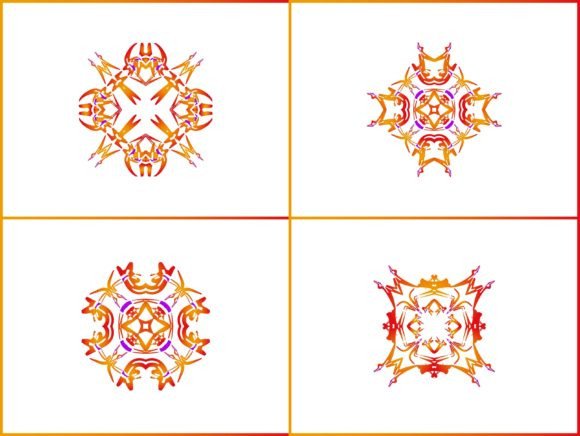
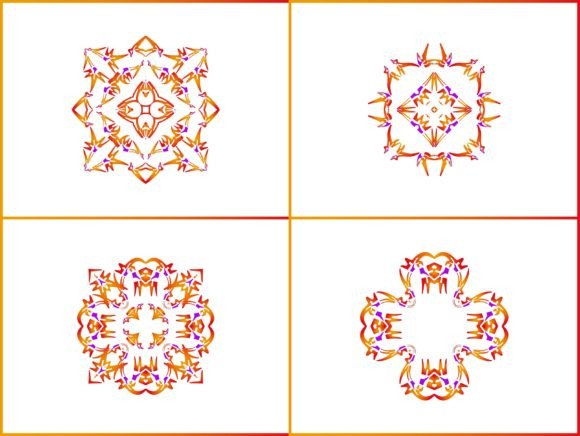
At its core, Tribal Orange Gradation is not just a color palette; it is a comprehensive design language. It combines the smooth transition of gradients—where one shade melts seamlessly into another—with bold, geometric patterns that evoke a sense of heritage and tradition. Whether you are looking to create a striking wallpaper, a vibrant textile print, or a modern digital backdrop, this style offers a unique blend of ancient inspiration and contemporary utility. The result is a visual experience that feels both grounded in history and perfectly suited for modern commercial needs.
The Anatomy of the Style
To truly appreciate the value of Tribal Orange Gradation, one must first understand its key characteristics. The "orange" component provides an immediate sense of warmth, enthusiasm, and creativity. Orange is often associated with energy, friendliness, and social communication, making it an excellent choice for brands that want to appear approachable yet dynamic. However, unlike solid flat colors, the gradation aspect adds depth and dimension. By shifting from deep terracotta to bright tangerine, or even blending into subtle earth tones, designers can create a sense of movement and fluidity that static colors simply cannot achieve.
The "tribal" or "ethnic" element introduces structure and complexity. These designs often feature geometric shapes such as triangles, diamonds, and zigzags, which are hallmarks of African, Aztec, Indian, and Mexican artistic traditions. These motifs are not merely decorative; they carry cultural weight and historical significance. When combined with the softness of a gradient, the sharp lines of the geometric patterns create a compelling contrast. This juxtaposition of hard and soft, old and new, is what makes the style so versatile. It can feel rugged and grunge-inspired when paired with distressed textures, or elegant and bohemian when rendered in clean vector formats.
Furthermore, the inclusion of secondary colors like blue or black can dramatically alter the mood of the design. Black often grounds the brightness of the orange, adding sophistication and high contrast, while blue can introduce a calming counterpoint, creating a balanced and harmonious composition. This flexibility allows for a wide range of interpretations, from vibrant boho-chic aesthetics to more subdued, vintage-inspired looks.
Practical Applications Across Industries
The beauty of Tribal Orange Gradation lies in its adaptability. Because it is available as seamless vectors and high-resolution prints, it can be applied across a multitude of mediums without losing quality or integrity. Here is how different professionals can leverage this design element in their work:
- Branding and Marketing: For entrepreneurs and marketers, standing out in a crowded marketplace is essential. Using Tribal Orange Gradation in logos, social media graphics, or advertising banners can instantly grab attention. The warm tones evoke feelings of excitement and urgency, which can drive engagement and click-through rates. It is particularly effective for brands in the food, travel, or creative industries that wish to convey passion and authenticity.
- Interior Design and Decor: Homeowners and interior designers can utilize these patterns for wallpapers, fabric drapes, or upholstery. The seamless nature of the design ensures that large surfaces look cohesive and professional. Whether aiming for a bohemian living room vibe or a retro-styled office space, this pattern adds personality and warmth to any environment. It works exceptionally well as an accent wall, drawing the eye and serving as a focal point in the room.
- Fashion and Textiles: In the fashion industry, this style translates beautifully to clothing and accessories. From summer dresses featuring abstract tribal prints to scarves with intricate geometric borders, the design offers endless possibilities. The gradation effect can make garments look more expensive and thoughtfully designed, as it mimics the way dyes naturally blend in traditional textile production.
- Educational Materials: Educators and publishers often struggle to make learning materials visually engaging without appearing childish. Tribal Orange Gradation offers a mature yet playful alternative. It can be used in textbooks, worksheets, or presentation slides to break up text-heavy content and maintain student interest. The cultural elements also provide opportunities for interdisciplinary lessons on geography, history, and anthropology.
- Digital Media and Web Design: Web developers and UI/UX designers can use these patterns for backgrounds, buttons, or section dividers. The seamless vectors ensure fast loading times and crisp rendering across all devices. By using the pattern sparingly, designers can add a layer of visual interest that enhances user experience without overwhelming the primary content.
Benefits of Choosing This Design Element
Selecting Tribal Orange Gradation for your projects offers several tangible benefits. First and foremost, it enhances visual hierarchy. The natural flow of the gradient guides the viewer’s eye across the page or product, ensuring that key messages are seen. Additionally, the cultural resonance of tribal motifs can foster a deeper emotional connection with audiences who value authenticity and craftsmanship. In an era where consumers are increasingly drawn to brands with stories and values, this design style communicates a respect for tradition and artistry.
From a practical standpoint, the versatility of the format means fewer assets are needed. A single seamless vector file can be scaled to fit a business card, a billboard, or a website header without pixelation. This efficiency saves time and resources, allowing creators to focus on strategy rather than technical adjustments. Moreover, the color psychology of orange supports communication and collaboration, making it an ideal choice for team-oriented environments or community-focused initiatives.
Considerations for Implementation
While Tribal Orange Gradation is powerful, it requires thoughtful implementation to avoid visual clutter. Because the patterns are often detailed, it is important to balance them with ample white space or neutral backgrounds. Overusing the pattern can lead to sensory overload, diminishing its impact. Designers should experiment with opacity levels and layering techniques to integrate the design smoothly into the overall composition.
Another consideration is cultural sensitivity. While tribal motifs are widely appreciated in global design, it is crucial to use them respectfully and accurately. Understanding the origins of the patterns and avoiding stereotypes ensures that the design honors the cultures it draws inspiration from. When used ethically and creatively, Tribal Orange Gradation becomes more than just a pretty picture; it becomes a meaningful expression of style and identity.
Finally, always ensure that the files you use are licensed for commercial purposes. Many of the best resources for these designs offer royalty-free licenses, allowing you to use them in client work, products, and marketing campaigns without legal complications. By choosing high-quality, legally compliant assets, you protect your brand and uphold professional standards.
In conclusion, Tribal Orange Gradation is a robust and adaptable design solution that bridges the gap between tradition and modernity. Its ability to engage, communicate, and beautify makes it an invaluable tool for any creative professional. Whether you are refreshing your brand identity, designing a new home space, or creating educational content, incorporating this style can elevate your work and leave a lasting impression on your audience.