Wild Plants Patterns: A Versatile Design Resource for Eco-Friendly and Seasonal Projects
In the ever-evolving world of design, finding assets that are both visually appealing and thematically rich can be a challenge. Enter Wild Plants Patterns — a unique collection of hand-drawn grunge wild plant designs in various formats like PNG vector, EPS10, and JPG on white or transparent backgrounds. These patterns are ideal for anyone working on seasonal themes such as spring or summer, Easter backgrounds, labels, packaging, organic produce branding, beauty items, natural products, and eco-conscious projects. With 12 files included in the set, designers have a wealth of options to explore.
What Are Wild Plants Patterns?
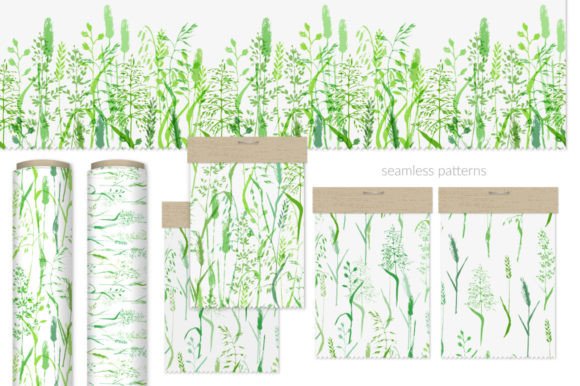
Wild Plants Patterns refer to decorative elements created using imagery of meadow grasses and other naturally occurring flora. These are not stylized or overly simplified; they’re designed with a sense of authenticity and raw nature. The grunge aesthetic adds an earthy, textured feel, making these patterns stand out from more polished, artificial-looking graphics. Each pattern is seamlessly looped, ensuring it can tile across any surface without visible breaks or repetition.
The collection includes three main seamless pattern variations, each capturing the essence of wild, untamed greenery. Additionally, there's one seamless border pattern, offering another dimension to how these designs can be applied. All files are provided in high-resolution (4000x4000px), giving you the flexibility to scale them for both digital and print media.
Why Choose Hand-Drawn Grunge Wild Plant Designs?
Hand-drawn elements bring warmth and character to digital projects. Unlike rigid, algorithm-generated graphics, these Wild Plants Patterns possess a natural imperfection that makes them feel more organic and human. This quality is especially important when designing for eco-friendly brands or seasonal campaigns where the theme relies heavily on nature and sustainability.
The grunge texture enhances this feeling by introducing subtle contrasts and depth. It’s perfect for creating a rustic, earthy vibe that resonates with audiences seeking authenticity. Whether you're illustrating a greeting card or crafting product packaging for a new line of natural skincare, these designs can help you achieve that look effortlessly.
Applications Across Industries
- Decorative Cards: Spring and summer cards often feature floral motifs. These Wild Plants Patterns add a fresh, vibrant touch without being too busy. Their seamless nature means they can be used as full-backgrounds or just as accents.
- Easter Backgrounds: The meadow-inspired designs fit perfectly into Easter-themed layouts. Use them for invitations, social media posts, or printable crafts to evoke a sense of renewal and celebration.
- Labels & Packaging: For businesses selling organic produce, natural cosmetics, or eco-friendly goods, these patterns can serve as label textures or background elements that highlight the product's connection to the environment.
- Beauty Items: Natural beauty products thrive on imagery that reflects purity and simplicity. The green tones and wild plant silhouettes of these patterns align well with such aesthetics.
- Natural Product Branding: Whether you're designing brochures, banners, or website headers, these designs can reinforce your brand’s commitment to sustainability and the outdoors.
- Eco & Green Projects: From logos to infographics, incorporating Wild Plants Patterns into your visual identity can subtly communicate your project's environmental values.
File Formats and Their Uses
Understanding which file format to use depends largely on the end goal of your design. The EPS10 files are great for print work and scalability, as they maintain crisp lines and shapes at any size. If you're preparing materials for professional printing, such as posters or packaging, EPS is your best bet.
The JPG on white versions are excellent for web-based applications where transparency isn’t required. They load quickly and integrate smoothly into most CMS platforms or e-commerce sites. Meanwhile, the transparent PNG files offer versatility for overlaying images or using them in layered designs. Transparency ensures the patterns don’t clash with existing colors or elements in your layout.
All files are large enough (4000x4000px) to handle detailed zooming and cropping, so you won’t run into pixelation issues even when scaling up for large-format prints or high-definition screens.
How to Integrate Wild Plants Patterns Into Your Workflow
Working with Wild Plants Patterns is straightforward. Since they come in multiple formats, you can choose the one that fits your current software or project requirements. Here are some practical tips:
- Use as Backgrounds: Apply the seamless patterns behind text or icons to create a cohesive, nature-infused look. Adjust opacity if needed to ensure readability.
- Layer Creatively: Combine different pattern layers to build complexity. For instance, layer a grunge-patterned base with a clean, flat botanical illustration for contrast.
- Crop for Borders: The seamless border design works beautifully when cropped to frame content. It can be used around product photos, headings, or promotional banners.
- Edit Colors: Though the original files feature green hues, many graphic design tools allow you to recolor the patterns. This makes them adaptable to your specific brand palette or seasonal needs.
- Combine with Typography: Pair the patterns with handwritten or serif fonts to enhance the organic feel of your design. This is particularly effective for eco-themed marketing materials or event invitations.
Design Considerations When Using Wild Plants Patterns
While Wild Plants Patterns are incredibly versatile, their successful implementation requires attention to detail. Here are some key considerations to keep in mind:
- Contrast: Ensure that the pattern doesn't overpower the primary content. Balance is essential. Use lighter or darker overlays depending on the context.
- Color Harmony: Although the green tones are suitable for most nature-related themes, consider how they interact with your existing color scheme. Some shades may require adjustment for optimal results.
- Scale Appropriately: Because of their high resolution, these patterns can be scaled up or down. However, always preview the outcome before finalizing to avoid unintended visual effects.
- Print vs. Digital: For print, stick with CMYK-compatible formats and test on paper first. For digital use, opt for RGB versions and ensure they display correctly across devices.
- Accessibility: Avoid using patterns that might reduce legibility for users with visual impairments. Test your designs with screen readers or accessibility tools to confirm usability.
Real-World Scenarios for Wild Plants Patterns
Here are some examples of how professionals have effectively used these patterns:
- A boutique skincare company uses the transparent PNG version as a subtle background on its product labels, reinforcing its all-natural ingredients with a visual motif.
- An event planner incorporates the seamless border design into Easter invitation templates, adding a soft, pastoral charm that guests love.
- A graphic designer creates a series of greeting cards for a client, using the JPG on white pattern as a base for printed cards sold online.
- A small organic farm leverages the EPS10 files for custom packaging, ensuring the design looks sharp on both small seed packets and larger shipping boxes.
- A blogger focusing on sustainable living uses the PNG vectors as a repeating background in blog headers and newsletter templates to maintain a consistent eco-friendly theme.
Benefits of Using Wild Plants Patterns in Modern Design
Modern design trends lean heavily toward minimalism, but that doesn’t mean patterns are out of style. In fact, subtle, nature-inspired patterns are making a strong comeback — especially in industries focused on wellness, sustainability, and lifestyle. Here’s why Wild Plants Patterns are a smart choice:
- Time-Saving: Instead of drawing every leaf and blade of grass from scratch, you can instantly elevate your designs with ready-to-use patterns.
- Consistency: The same pattern can be used across multiple platforms — from social media to physical packaging — helping maintain a unified brand identity.
- Adaptability: Whether you need a bold statement or a quiet accent, these patterns can be manipulated to suit different styles and purposes.
- Uniqueness: The hand-drawn and grunge qualities make each pattern feel exclusive, avoiding the cookie-cutter look common with stock graphics.
- Professional Quality: The high-resolution and varied formats ensure your finished work looks polished and refined, regardless of the medium.
Where to Find and How to Use Wild Plants Patterns
Many designers turn to marketplaces like Adobe Stock, Shutterstock, or specialized illustration websites to source high-quality patterns. Look for sets that include multiple file types and resolutions, especially those labeled as seamless, since that’s crucial for tiling without distortion.
Once you’ve downloaded your set, open the files in your preferred design software such as Adobe Illustrator, Photoshop, or even free tools like GIMP or Canva. You can easily apply them as fills, overlays, or borders. Don’t forget to experiment with blending modes or layer styles to unlock creative possibilities!
Styling Tips for Maximum Impact
To get the most out of your Wild Plants Patterns, consider the following styling techniques:
- Overlay Effects: Use the pattern as a texture layer over solid colors or gradients to add depth and interest.
- Monochrome Schemes: Convert the pattern to grayscale or sepia tones for a vintage, timeless look that still feels modern.
- Minimalist Layouts: Let the pattern do the storytelling by keeping the rest of the design simple and uncluttered.
- Seasonal Variations: Swap out colors slightly to reflect the time of year — warmer greens for spring, cooler ones for autumn.
- Typography Integration: Use the pattern to create frames around typographic elements or to form part of a watercolor-style background.
Choosing the Right Pattern for Your Project
Selecting the right pattern involves more than just picking the prettiest image. Think about the message you want to convey and the audience you’re targeting. A grungy, textured pattern might work better for a handmade soap label than a sleek, modern cosmetic box. Similarly, a bright, lush pattern could complement a summer festival poster more effectively than a muted winter design.
Consider the scale of your project too. Large-format posters will benefit from the EPS10 files for clarity, while smaller digital projects like social media graphics might only need the transparent PNG for quick integration. Always check the file dimensions and resolution to match your output specifications.
Final Thoughts on Practical Usage
When it comes to design resources, Wild Plants Patterns are a valuable asset for their realism, adaptability, and thematic richness. They allow you to infuse your work with the spirit of nature, whether you're aiming for a rustic look or something more contemporary. With 12 files in total — including three seamless patterns, three EPS10 files, three JPGs on white, and three transparent PNGs — you’ll find yourself returning to this set again and again for different creative tasks.
From eco-friendly packaging to Easter-themed digital art, these patterns bridge the gap between traditional and modern design. Their high resolution and variety of formats make them suitable for almost any platform or material. And because they’re based on real-world elements like meadow grass and wildflowers, they resonate deeply with audiences who value authenticity and environmental consciousness.
If you're looking to expand your design toolkit with something that offers both flexibility and personality, Wild Plants Patterns are worth considering. Their hand-drawn charm and seamless construction provide a solid foundation for creative expression in today’s design landscape.